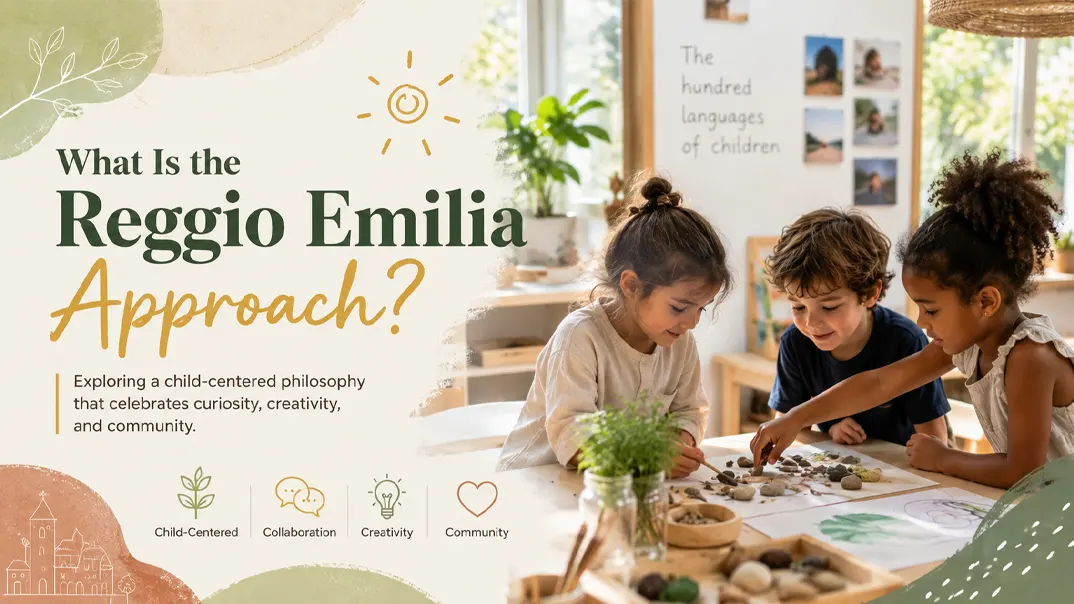
When schools and daycare centers ask us how to create a warmer, more child-centered learning space, the Reggio Emilia Approach is often one of the first ideas we discuss.
Over the years, we’ve seen many early childhood classrooms move away from rigid desks, fixed lessons, and teacher-led activities. Instead, more educators now want open spaces, natural materials, flexible furniture, and learning areas where children can explore, create, ask questions, and work together.
That is exactly why the Reggio Emilia Approach has become so meaningful in modern early education. It is not just a teaching method. It is a way of seeing children as capable, curious, creative learners who can build knowledge through real experiences.
In this guide, we’ll explain what the Reggio Emilia Approach is, how it works in the classroom, what a Reggio-inspired environment looks like, and how parents or preschools can decide whether it is the right fit.
What Is the Reggio Emilia Approach?
The Reggio Emilia Approach is an early childhood education philosophy that sees children as capable, curious, and full of potential. Instead of treating young children as empty learners waiting to receive information, this approach believes children can build understanding through observation, questions, hands-on exploration, relationships, and creative expression.
In a Reggio-inspired classroom, learning usually begins with children’s interests. A simple moment, such as children watching shadows on the floor, collecting leaves after outdoor play, or asking why a tower keeps falling, can become the starting point for a deeper project. Teachers observe what children notice, listen to their ideas, document their thinking, and then provide materials, questions, and space to help the learning continue.
One important point is that the Reggio Emilia Approach is not a fixed curriculum or a step-by-step teaching method. It does not come with a standard set of worksheets, lesson plans, or required classroom materials. It is better understood as a way of thinking about children, learning, teaching, and the classroom environment. This is why every Reggio-inspired classroom may look a little different.
Who Developed the Reggio Emilia Approach?
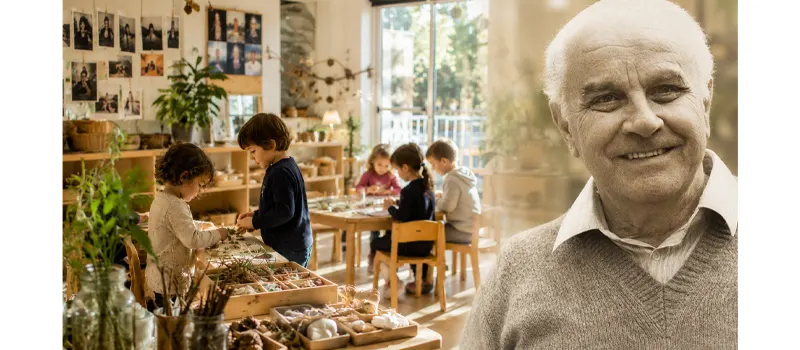
The Reggio Emilia Approach was developed in the city of Reggio Emilia in northern Italy after World War II. It grew from a strong community belief that young children deserved a more respectful, meaningful, and democratic form of education. At that time, families and educators were not simply trying to rebuild schools. They were trying to create a better way for children to think, communicate, participate, and grow within their community.
Although Loris Malaguzzi, an Italian educator and psychologist, is widely recognized as the key figure behind the approach, Reggio Emilia was never the work of one person alone. Malaguzzi worked closely with teachers, families, children, and the local community to shape a new vision of early childhood education. This is one reason the approach still feels different from many fixed teaching methods. It was developed through real classroom practice, shared observation, discussion, and continuous reflection.
A helpful way to understand its origin is this: the Reggio Emilia Approach did not begin as a packaged curriculum. It began as a response to children’s rights, community values, and the belief that children are capable of constructing their own understanding. Teachers were encouraged to observe children carefully, listen to their questions, document their ideas, and build learning experiences from what children showed interest in.
Core Principles of the Reggio Emilia Approach
The Reggio Emilia Approach is built on a deep respect for children, relationships, the learning environment, and the many ways children express their thinking. These principles are connected to one another. In a real classroom, they do not work as separate ideas. A child’s question may lead to a project, the teacher may document the process, the environment may be adjusted to support deeper exploration, and children may use drawing, building, movement, language, or dramatic play to represent what they understand.
The Image of the Child
At the heart of the Reggio Emilia Approach is the belief that children are competent, capable, and full of potential. Children are not seen as passive learners who simply receive information from adults. They are viewed as active participants who can ask meaningful questions, test ideas, solve problems, and contribute to the classroom community.
This belief changes the way adults interact with children. Instead of giving children all the answers too quickly, teachers observe what children are trying to understand and offer support at the right moment.
Environment as the Third Teacher
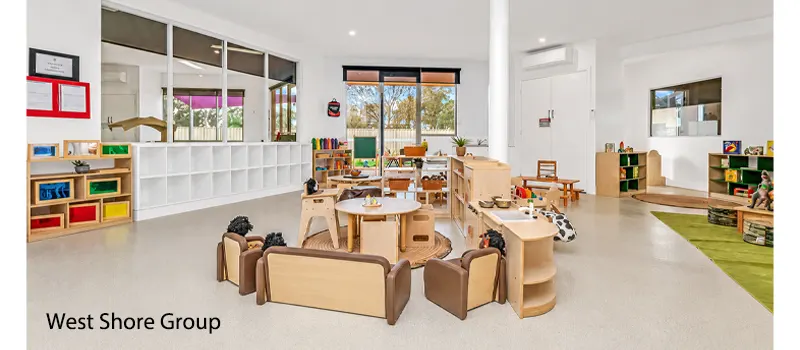
In Reggio-inspired classrooms, the environment is considered the “third teacher,” after parents and educators. This means the classroom itself should support learning, independence, and curiosity.
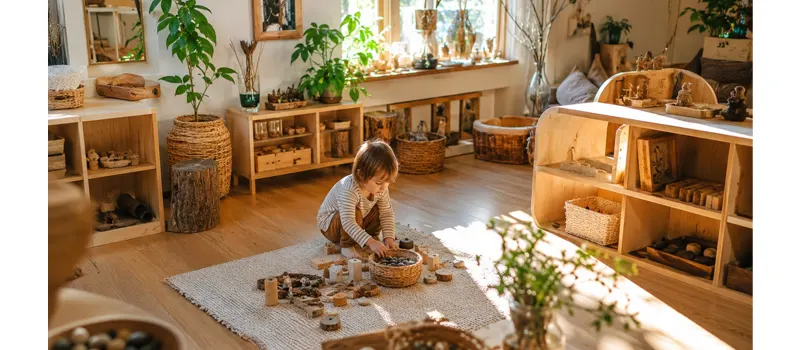
A Reggio-inspired environment is usually calm, organized, and intentional. Materials are displayed in a way that invites children to use them. Shelves are open and accessible. Learning areas are arranged to support small-group work, quiet observation, construction, art, reading, and project exploration. Natural light, neutral colors, and flexible furniture can all help create a space where children feel safe, focused, and respected.
From our experience with early childhood classroom planning, this principle is especially important for schools. If the classroom is crowded, materials are hard to reach, or there is no space to save ongoing work, it becomes difficult to support project-based learning. A good Reggio-inspired classroom should make learning visible, independent, and easy to continue.
Hundred Languages of Children
The “Hundred Languages of Children” means children express their thoughts in many ways. Speaking and writing are only two forms of communication. Children may also show their ideas through drawing, painting, building, music, movement, dramatic play, clay, light, shadow, and storytelling.
This principle is one reason Reggio classrooms often include rich creative materials. Children are encouraged to represent their thinking in different forms, which helps them build deeper understanding and confidence.
For educators, this principle is a reminder to look carefully at children’s work. A simple line drawing, a repeated block pattern, or the way a child arranges stones and leaves may show real thinking. When teachers take these forms of expression seriously, children feel seen and become more confident in sharing their ideas.
Emergent Curriculum and Project Work
Unlike traditional education models, the Reggio Emilia Approach does not follow a fixed curriculum planned far in advance. Many learning experiences emerge from children’s interests, questions, and everyday observations. For example, children may become fascinated by rain, shadows, insects, or buildings. Teachers then use these moments of curiosity as starting points for meaningful learning.
This is known as Emergent Curriculum. Rather than teaching predetermined topics regardless of children’s interests, teachers carefully observe, document, and guide children’s investigations. The goal is to transform genuine curiosity into deeper learning opportunities that are relevant and engaging.
When a topic continues to capture children’s attention, it often develops into project work. Children may explore the same question over days, weeks, or even months through drawing, building, discussion, experimentation, dramatic play, and outdoor observation. As they revisit ideas from different perspectives, their understanding becomes richer and more complex.
Collaboration and Relationships
Learning in Reggio-inspired classrooms is highly social. Children learn by talking, listening, building, negotiating, and solving problems together. Group projects are often used to help children share ideas and learn from different points of view.
Strong relationships are also built between teachers, children, and families. Parents are seen as partners in learning, not outsiders. Their insights help teachers better understand each child’s background, interests, and needs.
Documentation
Documentation is an important part of the Reggio Emilia Approach. Teachers carefully observe children’s conversations, drawings, questions, projects, and interactions. They may take notes, photos, videos, or collect children’s work.
This documentation is not just for display. It helps teachers understand what children are thinking, how their ideas are developing, and what support they may need next. It also helps parents see the learning process, not just the final result.
How to Set up a Reggio Emilia Classroom?
Setting up a Reggio Emilia classroom starts with one simple idea: the space should help children explore, choose, create, and work together independently. It does not need to be fancy, but it should be calm, organized, flexible, and meaningful.
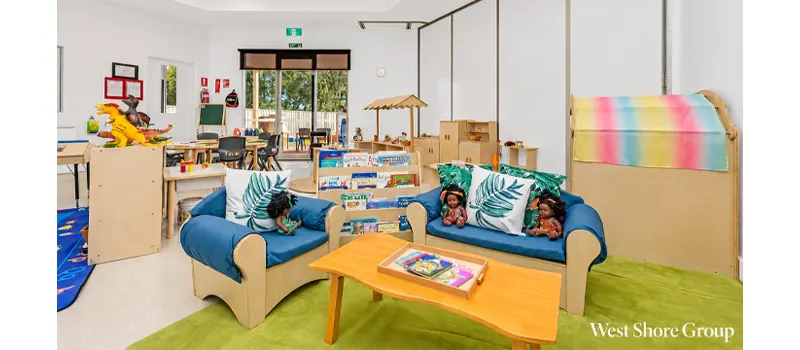
Here are the key steps:
- Start with an open layout
Avoid filling the room with too many fixed tables, chairs, or shelves. Leave enough space for children to move, gather, build, and work in small groups. - Use natural light and soft lighting
Natural light, warm lamps, and soft colors help create a calm learning environment and reduce visual noise. - Create flexible learning zones
Set up areas for art, building, reading, dramatic play, sensory exploration, nature study, quiet reflection, and group projects. These areas should be easy to change as children’s interests develop. - Use child-sized furniture
Choose low tables, small chairs, open shelves, and accessible storage so children can use the space safely and independently. - Place materials within children’s reach
Keep blocks, art tools, loose parts, books, natural objects, and sensory materials on low shelves. Children should be able to see, choose, use, and return materials by themselves. - Choose open-ended materials
Use items that can be used in many ways, such as wooden blocks, fabric, stones, shells, clay, mirrors, cardboard tubes, recycled materials, and loose parts. - Add natural elements
Include wood furniture, plants, baskets, natural textures, soft lighting, and real-life objects to make the classroom feel warm and connected to nature. - Design an atelier or creative corner
Provide a dedicated space for drawing, painting, clay work, collage, light exploration, and construction. This area supports the “hundred languages” of children. - Make learning visible
Display children’s work, project photos, quotes, sketches, and teacher notes at children’s eye level. This helps children revisit ideas and shows families how learning develops. - Keep the environment calm and intentional
Avoid overcrowding the walls or shelves. A Reggio-inspired classroom should feel beautiful, peaceful, and purposeful rather than busy or overstimulating.
Reggio Emilia Vs Montessori At a Glance
Both the Reggio Emilia Approach and the Montessori method are respected early childhood education philosophies. They both value children’s independence, hands-on learning, and a well-prepared classroom environment. However, they are not the same.
| Comparison Area | Reggio Emilia Approach | Montessori Method |
|---|---|---|
| Core Focus | Child-led inquiry, relationships, creative expression, and long-term project work | Independence, concentration, self-discipline, and skill development through structured materials |
| View of the Child | Children are capable thinkers, communicators, collaborators, and co-constructors of learning | Children are independent learners who develop through purposeful activity and self-directed work |
| Curriculum Style | Emergent curriculum based on children’s interests, questions, and observations | More structured sequence based on practical life, sensorial, language, math, and cultural learning areas |
| Teacher’s Role | Observer, listener, researcher, and co-learner who extends children’s ideas | Guide who presents materials, observes progress, and supports independent practice |
| Classroom Materials | Open-ended materials such as loose parts, blocks, clay, art tools, natural objects, light, mirrors, and project resources | Specially designed Montessori materials with clear purposes, sequences, and often self-correcting features |
| Learning Style | Collaborative projects, group discussion, creative representation, and investigation over time | Individual or small-group work with hands-on materials and repeated practice |
| Classroom Environment | Seen as the “third teacher,” designed to support exploration, communication, documentation, and project work | A prepared environment designed to support order, independence, focus, and freedom within limits |
| Use of Art and Expression | Strong focus on the “hundred languages” of children, including drawing, painting, building, movement, music, and dramatic play | Art and expression are included, but the method places stronger emphasis on practical life, sensorial learning, and academic foundations |
| Assessment | Documentation of children’s thinking, conversations, project development, and learning process | Observation of children’s independence, concentration, material use, and skill progression |
| Best Known For | Project work, documentation, child-led inquiry, collaboration, and the hundred languages of children | Montessori materials, practical life activities, independence, order, and self-paced learning |
Benefits of the Reggio Emilia Approach
The Reggio Emilia Approach is valued because it supports children as thinkers, communicators, and active participants in their own learning. Instead of pushing children to memorize facts too early, it helps them build strong thinking habits, confidence, and communication skills.
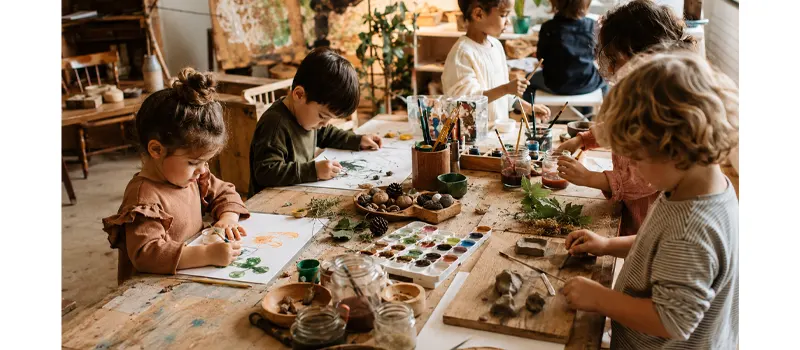
Encourages Creativity and Imagination
Children can express ideas through drawing, building, painting, music, movement, storytelling, and dramatic play. This helps them think in flexible ways and develop their own voice.
Builds Problem-Solving Skills
Through projects and open-ended materials, children learn to ask questions, test ideas, make changes, and try again. They begin to see mistakes as part of learning.
Supports Independence
Low shelves, child-sized furniture, and accessible materials allow children to make choices, clean up, and manage simple tasks by themselves. This builds confidence and responsibility.
Improves Communication Skills
Children are encouraged to explain their ideas, listen to others, ask questions, and share opinions. These daily conversations support language development and social confidence.
Strengthens Collaboration
Group projects help children work with classmates, solve problems together, take turns, and respect different ideas.
Makes Learning More Meaningful
Because many projects come from children’s real interests, learning feels connected to their lives. This often leads to stronger engagement and deeper understanding.
Builds Emotional Confidence
When children see their work, words, and ideas valued in the classroom, they feel respected. This helps them develop a stronger sense of identity and self-worth.
Is the Reggio Emilia Approach Right for Your Child or Preschool?
The Reggio Emilia Approach is a good fit for families, teachers, and preschools that value curiosity, creativity, independence, and meaningful exploration. It works best when adults are willing to listen to children’s ideas, provide flexible learning spaces, and support projects that grow from children’s real interests.
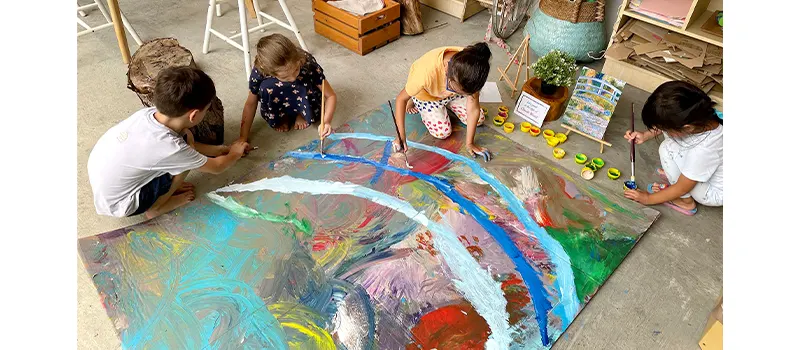
For Teachers
For teachers, the Reggio Emilia Approach is a good fit if you enjoy observing children closely and building learning from their real questions. It gives teachers more freedom than a fixed lesson plan, but it also asks for more reflection and professional judgment.
Teachers may find this approach suitable if they are comfortable with:
- Observing children’s play, conversations, and repeated interests
- Asking open-ended questions instead of giving quick answers
- Documenting children’s words, drawings, projects, and thinking process
- Preparing materials based on what children are trying to understand
- Allowing projects to develop over several days or weeks
This approach may feel challenging for teachers who are used to highly structured activities with one expected result. In a Reggio-inspired classroom, learning is sometimes less predictable. A small question, a block structure, or an outdoor discovery may become the beginning of a larger project.
For Preschool Directors
For preschool directors, the Reggio Emilia Approach can help create a stronger school identity and a more thoughtful early learning program. It shows families that the school values children’s ideas, creative thinking, collaboration, and deeper learning.
However, directors should understand that Reggio Emilia is not created by classroom decoration alone. To make it work in daily practice, the school needs to support both the teachers and the environment.
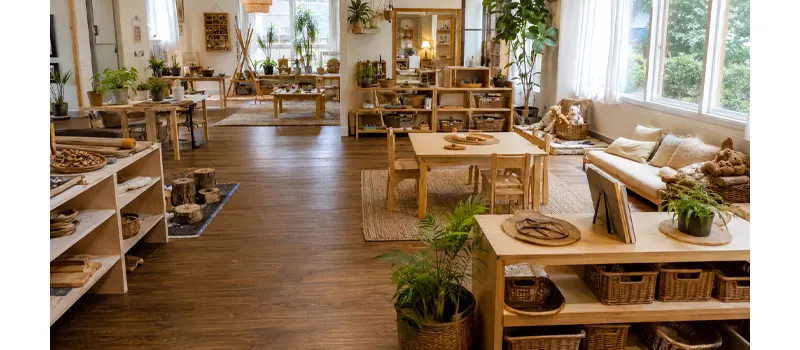
A preschool may be ready for this approach if it can provide:
- Teacher planning time for observation and reflection
- Space for small-group projects and open-ended activities
- Accessible shelves and storage for child independence
- Display areas for documentation and children’s work
- Flexible furniture that can support different learning activities
- A school culture that values process, not only finished results
For new classroom planning or renovation, this is especially important. The room should allow children to choose materials, work in groups, return to unfinished projects, and see their learning displayed clearly. Without this support, the approach can easily become a visual style instead of a real teaching practice.
For Parents
For parents, the Reggio Emilia Approach may be a good fit if you want your child to learn in a setting where their questions, ideas, emotions, and creative expressions are taken seriously. This approach is especially suitable for children who enjoy exploring, asking questions, building, drawing, pretending, observing nature, or working with other children.
Your child may enjoy a Reggio-inspired environment if they:
- Often ask “why,” “how,” or “what if” questions
- Like drawing, building, storytelling, pretend play, or hands-on activities
- Enjoy exploring materials instead of following one fixed answer
- Feel comfortable learning through conversation and social interaction
- Need time to think, observe, and return to the same idea more than once
- Show curiosity about nature, people, objects, light, shadows, movement, or everyday experiences
- Express ideas better through art, play, movement, or construction than through words alone
This approach may be less suitable if a child strongly prefers highly structured tasks, clear step-by-step instructions, or quick individual worksheets every day. Some children can still adapt well, but they may need more time and teacher support to feel comfortable in a flexible, project-based environment.
Parents should also understand that learning in a Reggio-inspired classroom may look different from traditional academic learning. Children may spend time drawing, building, discussing, observing, role-playing, or working on long-term projects. This does not mean they are “just playing.” In a strong Reggio classroom, teachers observe children carefully and use these experiences to support language, thinking, creativity, problem-solving, and social development.
Conclusion
Choosing the Reggio Emilia Approach is not just about choosing a teaching style. It is about choosing how we see children.
When children are trusted, listened to, and given the right environment, they often show more creativity, confidence, and independence than adults expect. For parents and preschools, the real value of this approach is its respect for children’s ideas and its belief that learning can happen in many meaningful ways.
A successful Reggio-inspired environment does not need to be complicated. It simply needs to be thoughtful, flexible, beautiful, and built around children’s natural desire to explore.
FAQs
Is Reggio Emilia the same as Montessori?
No. Reggio Emilia and Montessori are not the same, although both respect children’s independence and hands-on learning. Montessori usually follows a more structured sequence with specific learning materials, while Reggio Emilia is more flexible and project-based. In Reggio-inspired classrooms, learning often grows from children’s questions, interests, conversations, and shared investigations.
What age group is the Reggio Emilia Approach best for?
The Reggio Emilia Approach is most commonly used in early childhood education, especially for toddlers, preschoolers, and kindergarten-age children. It works well for young children because they naturally learn through play, observation, movement, drawing, building, storytelling, and social interaction. Some elementary programs also use Reggio-inspired practices, but it is best known for early years education.
What are the criticisms of Reggio Emilia?
One common criticism of the Reggio Emilia Approach is that it can feel less structured than traditional educational methods. Because learning often follows children’s interests, some parents may worry about academic readiness or the lack of a fixed curriculum. It also requires well-trained teachers and thoughtfully designed learning environments, which can make it more challenging for some schools to implement effectively.
Can a traditional preschool become Reggio-inspired?
Yes. A school does not need to change everything at once. It can start by improving classroom layout, adding open-ended materials, documenting children’s learning, and giving children more choice.
Does Reggio Emilia have a curriculum?
The Reggio Emilia Approach does not use a fixed, pre-written curriculum in the traditional sense. Instead, it uses an emergent curriculum, where learning develops from children’s interests, questions, observations, and classroom experiences. Teachers still plan carefully, but their planning is flexible. They observe children, document their thinking, prepare materials, and extend projects based on what children are trying to understand.
Is the Reggio Emilia Approach only about art?
No. Art is important in Reggio Emilia because it gives children many ways to express their thinking, but the approach is much broader than art activities. It also includes inquiry, collaboration, problem-solving, documentation, environment design, family involvement, and long-term project work.