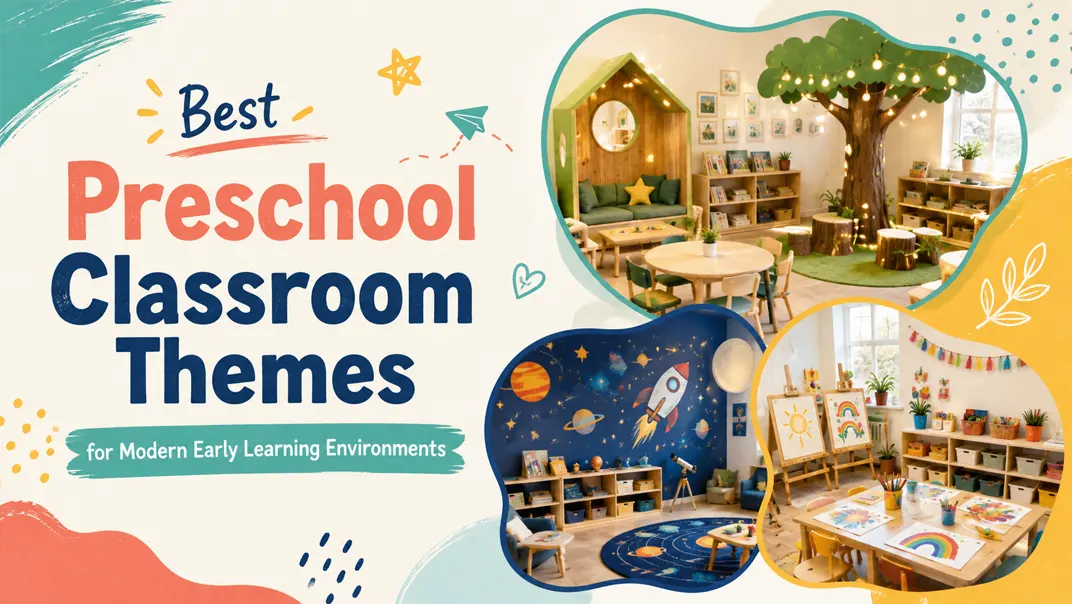
Choosing preschool classroom themes is not only about making the room look cute. A good theme helps children understand the learning environment, gives teachers a clear direction for activities, and makes the classroom feel more welcoming to families.
For many preschool teachers and daycare owners, the real challenge is not finding theme ideas. There are already many ideas online. The harder part is choosing a theme that fits the children’s age, the classroom size, the teaching goals, and the daily use of the space.
The best preschool classroom themes are simple, age-appropriate, and easy to use in daily teaching. They should support reading, art, science, dramatic play, sensory activities, and group learning without making the room feel crowded or overstimulating.
In this guide, we will look at what preschool classroom themes really mean and how to choose the right theme for your daycare center or early learning space.
What Are Preschool Classroom Themes?
Preschool classroom themes are the main ideas used to organize the look, activities, and learning areas of a classroom. A theme can be based on nature, seasons, animals, community helpers, transportation, space, colors, or children’s daily experiences.
A classroom theme is different from classroom decorations. Decorations are the visual details, such as wall displays, bulletin boards, door designs, hanging items, or color accents. A theme is broader. It gives the whole classroom a direction.
A classroom theme usually affects several parts of the room, including:
- Wall displays
- Color choices
- Learning materials
- Books and activities
- Storage labels
- Classroom decorations
- Learning center setup
- Furniture style and placement
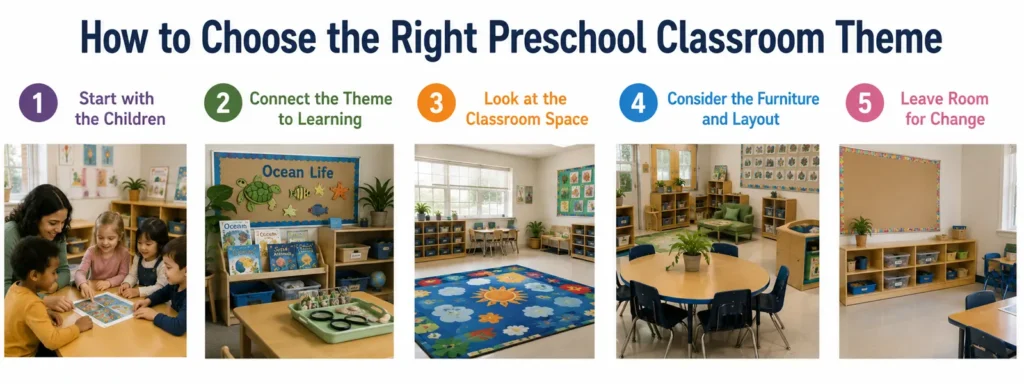
How to Choose the Right Preschool Classroom Theme?
The best preschool classroom theme is not always the most colorful or the most popular online. It is the one that fits your children, your teaching goals, and your classroom space.
Start with the Children
The theme should match the children’s age, interests, and level of understanding. If the theme is too complex, children may only notice the decorations but miss the learning value behind it.
Connect the Theme to Learning
A classroom theme should support teaching, not just decorate the space. It should help teachers organize activities, introduce new ideas, and create natural links between different learning areas.
Look at the Classroom Space
The size and layout of the classroom should guide the theme choice. A theme should make the room feel clearer and more organized, not more crowded or harder to manage.
Consider the Furniture and Layout
A classroom theme should work together with the furniture, storage, and learning areas. Reading corners, dramatic play spaces, shelves, tables, and storage units should all support the theme naturally.
Leave Room for Change
Preschool classroom themes often change with seasons, lessons, or school events. A practical theme should be easy to update without rebuilding the whole classroom.

Best Preschool Classroom Themes for Early Learning
The best preschool classroom themes are usually the ones that feel familiar, engaging, and easy to connect with daily learning activities.
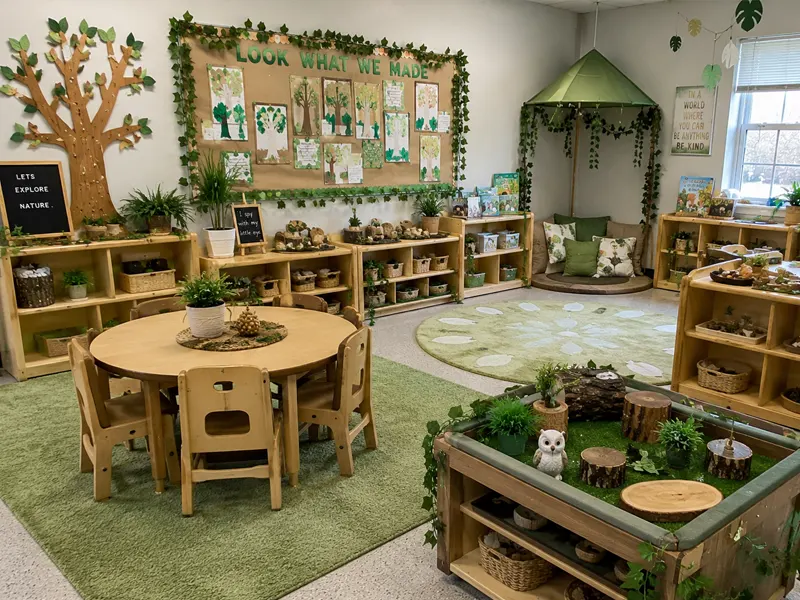
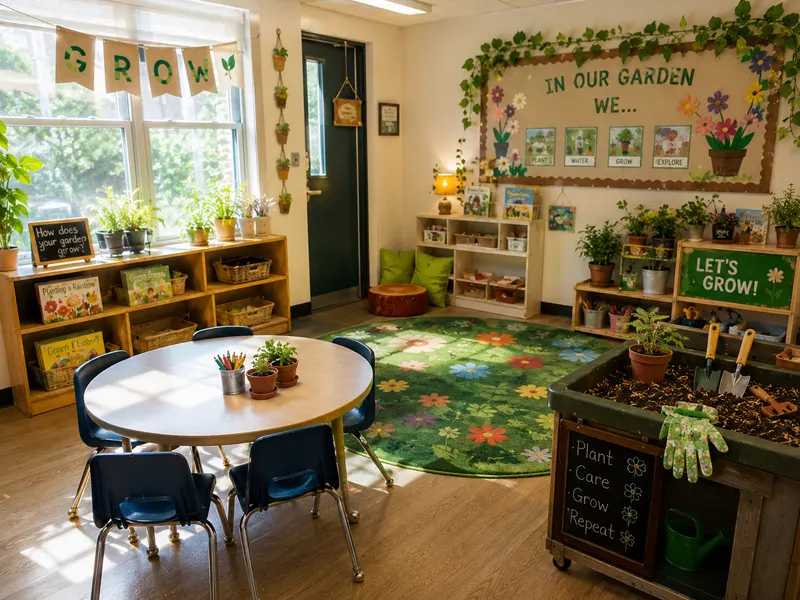
1. Nature Theme
Nature themes create a calm and flexible classroom environment. Teachers can use plants, wood textures, natural colors, leaves, rocks, and seasonal materials to support science exploration and sensory learning.
This theme works especially well with wooden shelves, open storage, reading corners, and nature inspired learning areas.
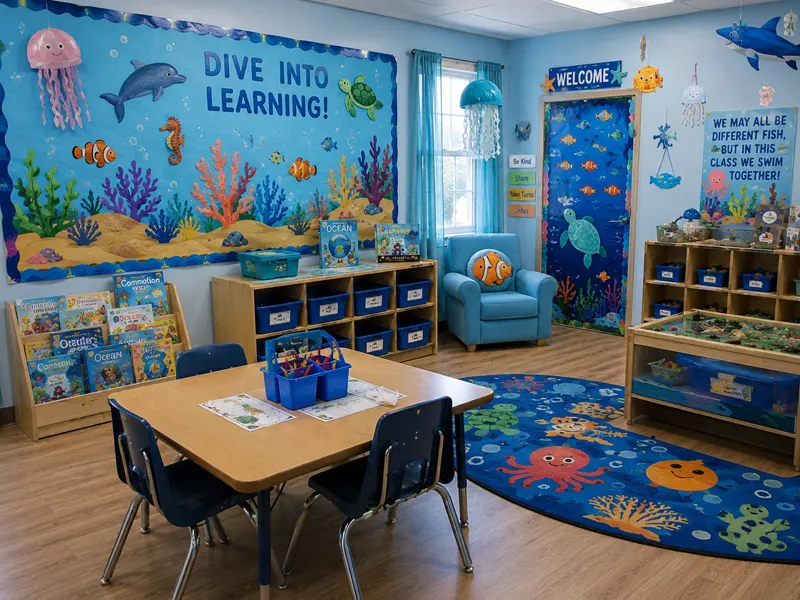
2. Ocean Theme
Ocean themes are popular because they combine color, imagination, and science learning. Sea animals, water activities, ocean books, and blue color palettes help create an engaging classroom atmosphere. This theme fits well in sensory areas, dramatic play corners, and science centers.
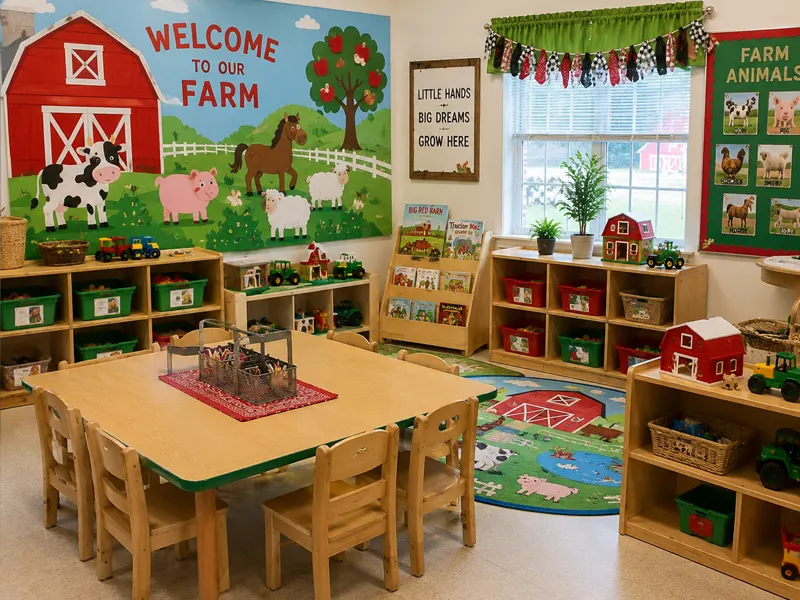
3. Farm Theme
A farm theme is familiar, friendly, and easy to connect with children’s daily experiences. It can support learning about animals, food, nature, routines, and simple role play.
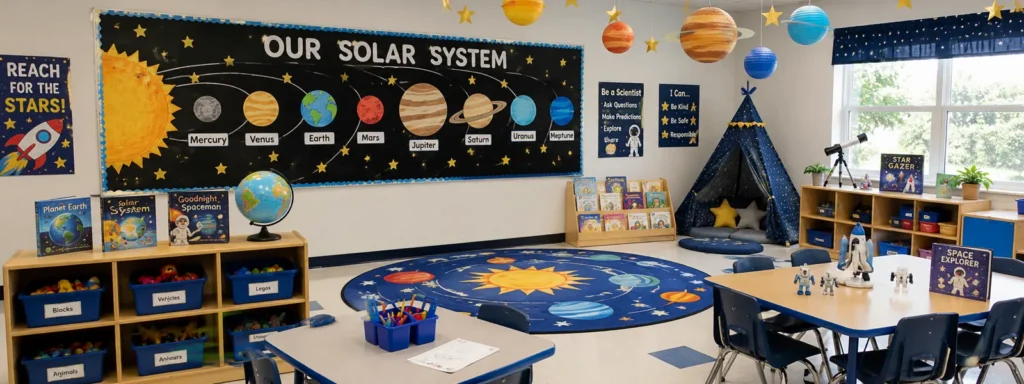
4. Space Theme
Space themes encourage curiosity and imagination. Teachers often use planets, stars, rockets, and glow elements to create a more exciting classroom setup.
5. Community Helpers Theme
Community helper themes introduce children to real-world roles such as doctors, firefighters, teachers, and police officers. These themes naturally support dramatic play and social learning.
6. Transportation Theme
Transportation themes are highly engaging for many preschool children. Roads, vehicles, signs, and construction elements can easily connect with block play and movement activities.
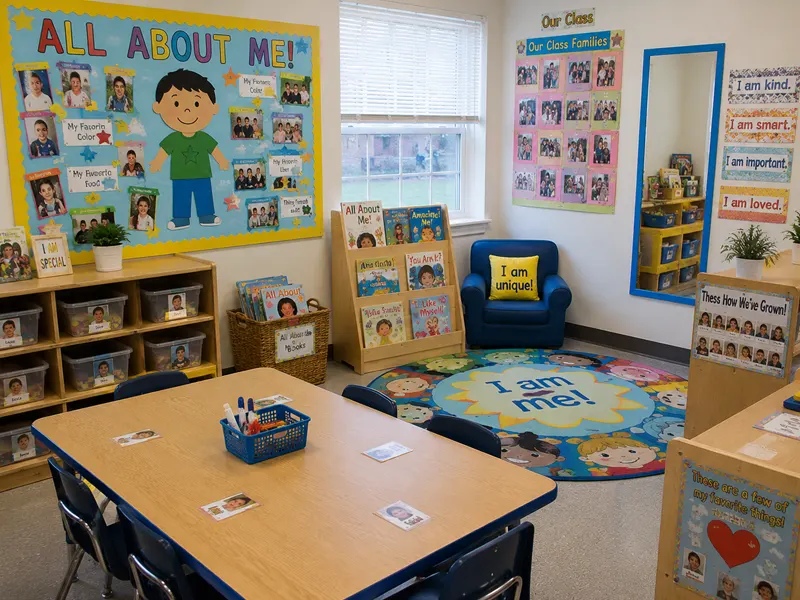
7. All About Me Theme
This is one of the most common themes at the beginning of the school year. It helps children feel comfortable, build confidence, and learn about themselves and their classmates.
Teachers often combine this theme with family photos, mirrors, name activities, and social-emotional learning materials.
8. Safari or Animal Classroom Theme
Animal themes are popular because young children naturally respond to animals. A safari or animal classroom theme can support language development, classification, storytelling, art, and movement activities.
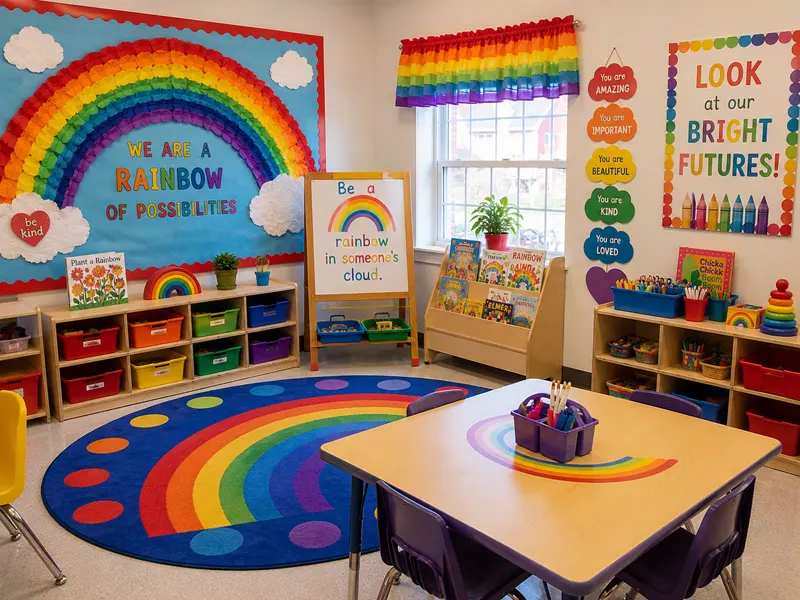
9. Rainbow Classroom Theme
A rainbow theme creates a bright and friendly classroom atmosphere. It is often used in younger preschool classrooms because it is simple, cheerful, and easy to recognize.
This theme works best when colors are organized instead of overused. Color-coded shelves, chairs, bins, labels, and art materials can make the room look playful while still supporting classroom order.
Preschool Classroom Themes by Season
Seasonal themes help classrooms stay fresh throughout the year while connecting learning with children’s real world experiences. Many teachers prefer seasonal themes because they are flexible and easy to update without changing the entire classroom setup.
1. Spring Classroom Themes
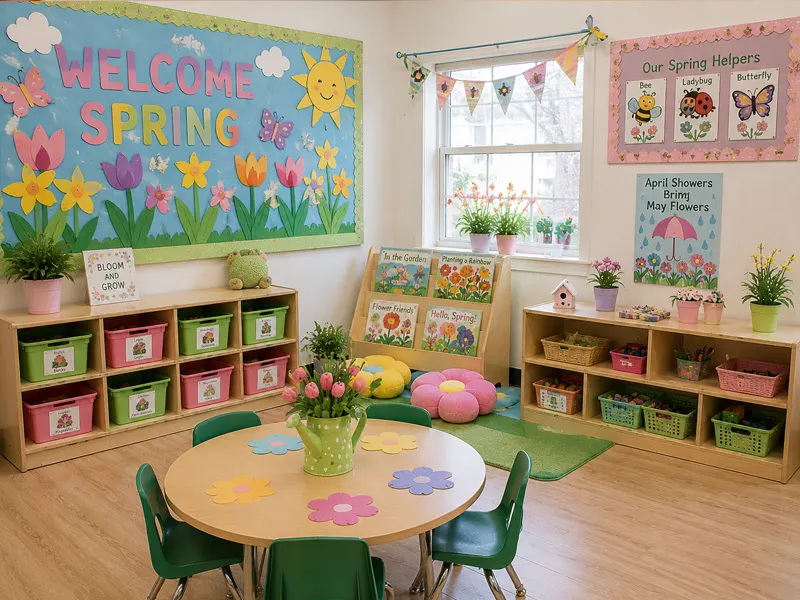
Spring themes usually focus on growth, nature, color, and outdoor discovery. They can make the classroom feel fresh and active after winter.
Common spring directions include:
- Garden theme
- Plant theme
- Insect theme
- Weather theme
- Farm theme
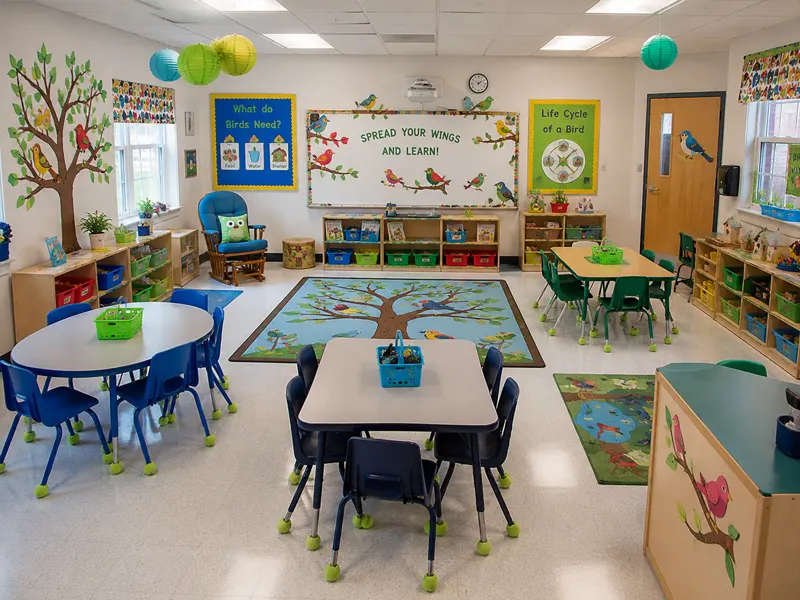
- Bird theme
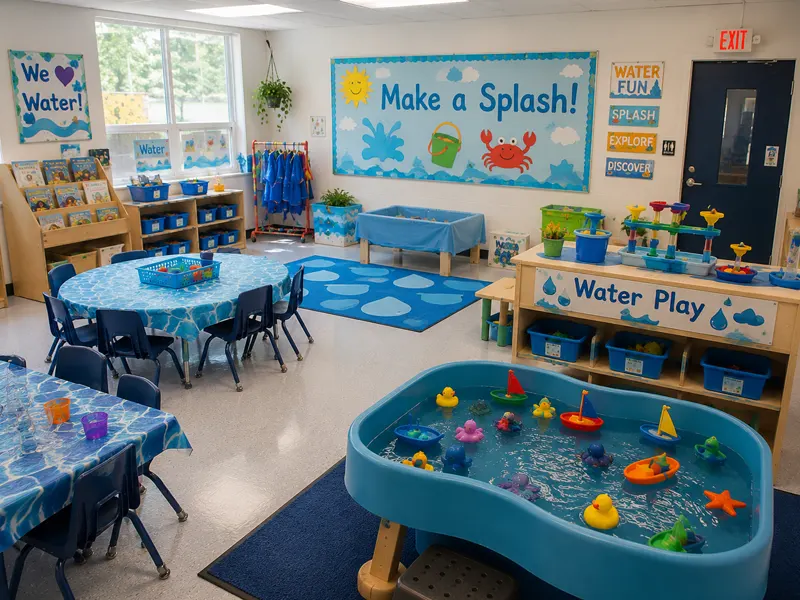
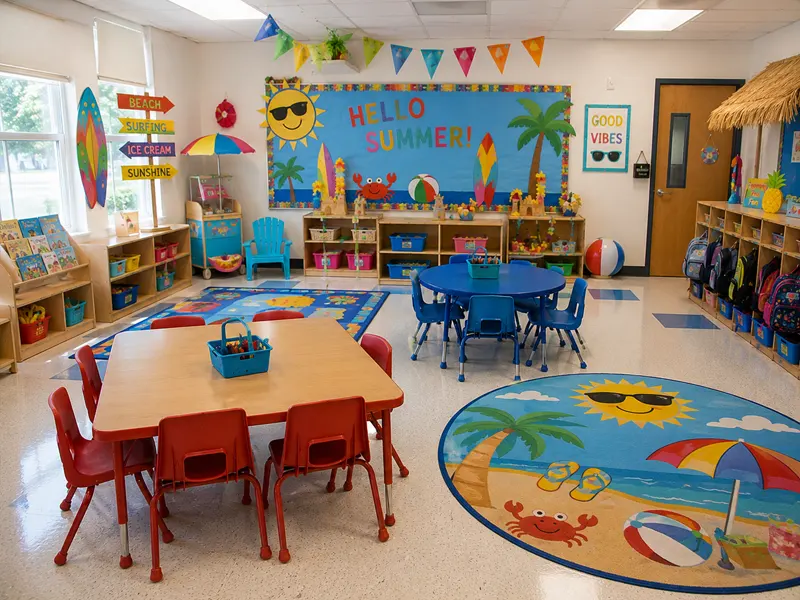
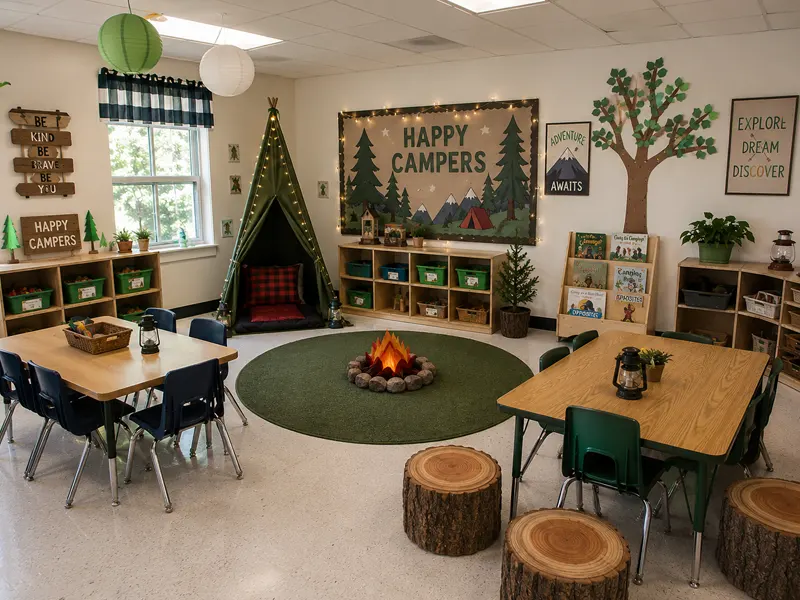
2. Summer Classroom Themes
Summer themes often feel bright, relaxed, and playful. They are suitable for classrooms, daycare programs, summer camps, and activity-based learning.
Common summer directions include:
- Ocean theme
- Beach theme
- Camping theme
- Water play theme
- Travel theme
- Picnic theme
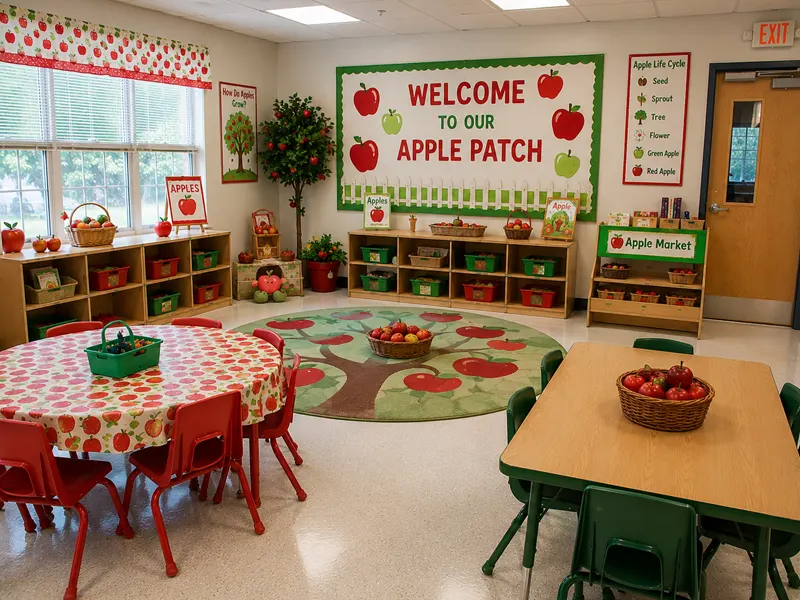
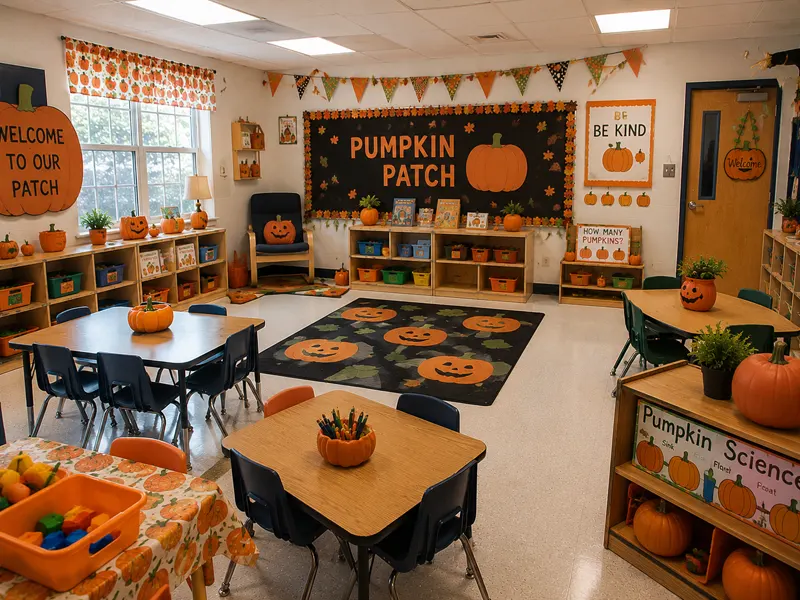
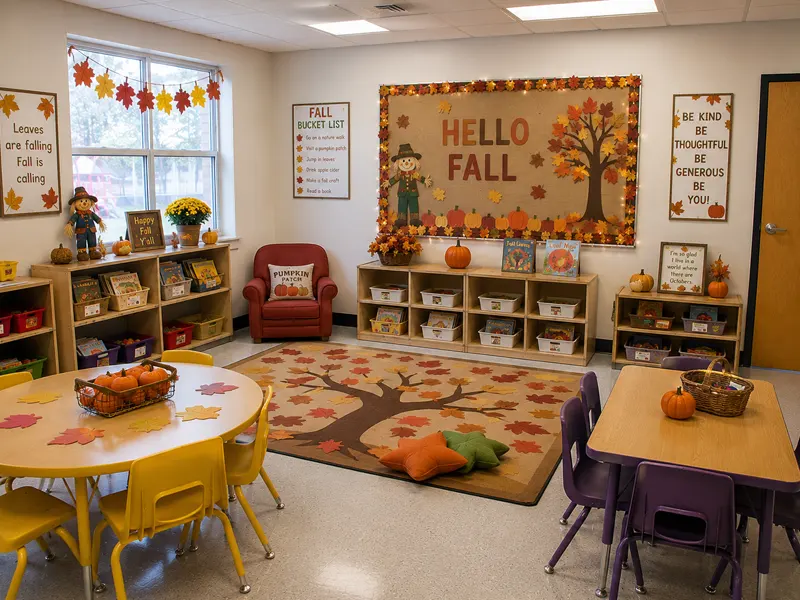
3. Fall Classroom Themes
Fall themes are warm, familiar, and easy to connect with children’s everyday experiences. They often focus on nature changes, harvest, food, family, and community life.
Common fall directions include:
- Leaves theme
- Harvest theme
- Apple theme
- Pumpkin theme
- Woodland animals theme
- Community helpers theme
Warm colors, natural materials, and organized display areas can help the classroom feel seasonal without becoming crowded.
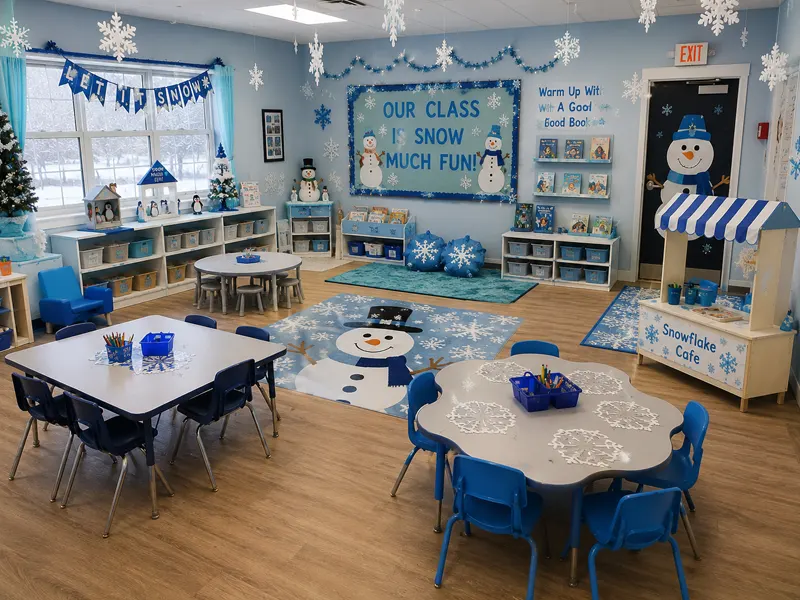
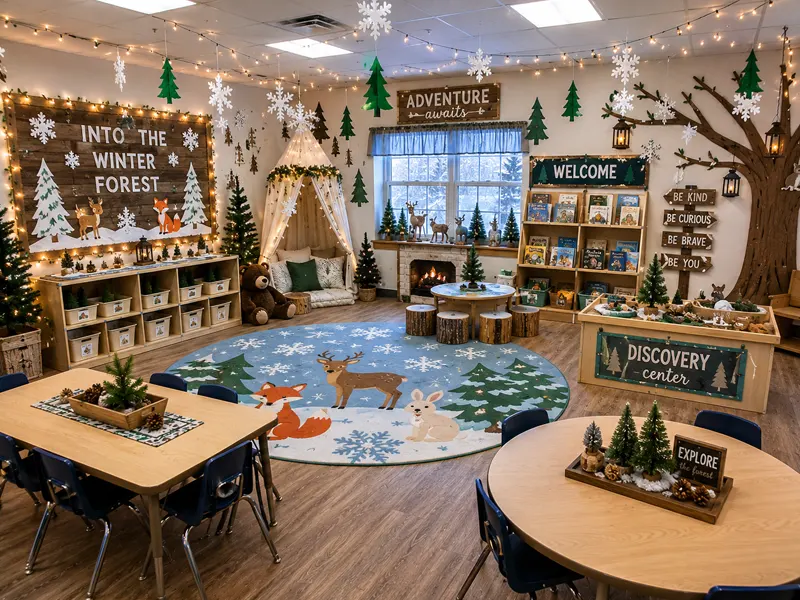
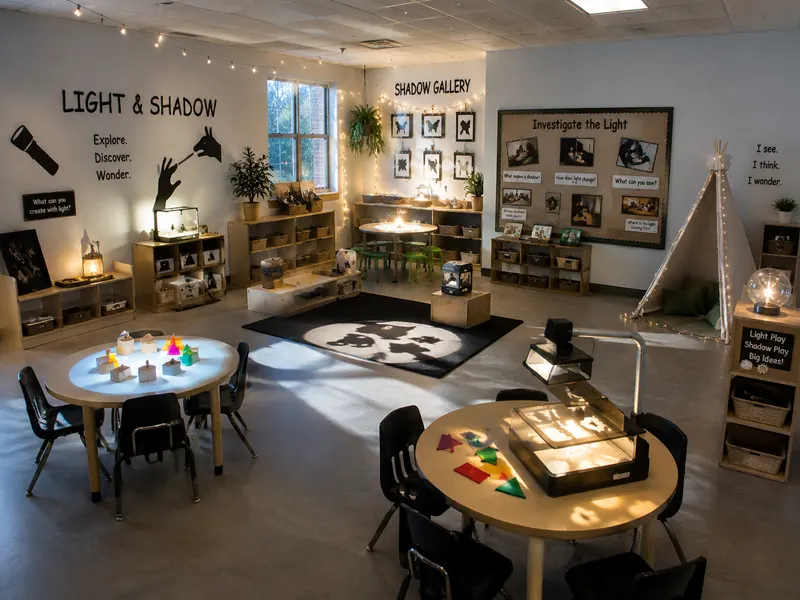
4. Winter Classroom Themes
Winter themes are often calmer and more focused on indoor activities. They can support reading, science observation, kindness activities, art projects, and quiet play.
Common winter directions include:
- Snow theme
- Arctic animals theme
- Winter forest theme
- Light and shadow theme
- Cozy reading theme
- Kindness theme
Soft seating, rugs, warm lighting, and organized shelves can help create a comfortable classroom atmosphere during colder months.
Preschool Classroom Themes by Learning Area
Many classrooms work better when themes are connected to specific learning areas instead of covering every wall in the room. This approach helps the classroom stay organized while making each space more purposeful.
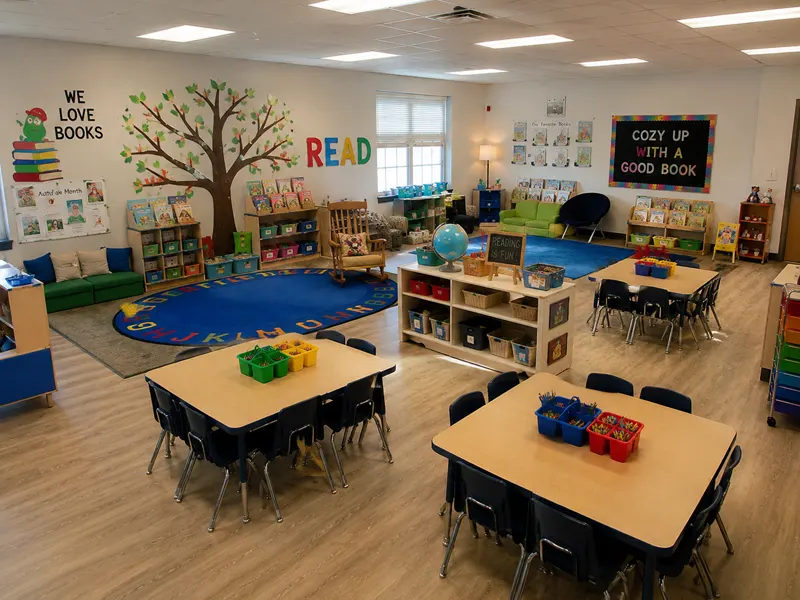
1. Reading Corner Themes
Reading corners often use calm themes such as nature, woodland, space, or cozy home styles. Rugs, bookshelves, cushions, soft seating, and themed displays help create a comfortable reading environment. The goal is to make children want to stay and explore books independently.
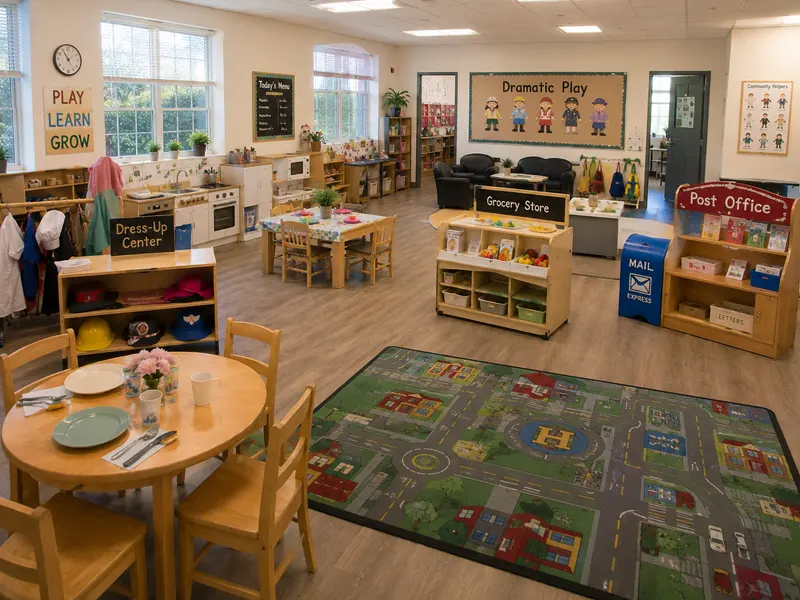
2. Dramatic Play Themes
The dramatic play area is where children act out real-life roles and social situations. Themes here should be practical, interactive, and easy to change.
The theme directions include:
- Home living area
- Grocery store
- Doctor clinic
- Farm market
- Restaurant
- Community helper station
3. Art Area Themes
Art areas usually work best with simple and clean themes. Natural colors, organized shelves, drying racks, and easy access to materials help children focus on creativity without too much visual distraction.
The theme directions include:
- Color studio
- Nature art corner
- Seasonal craft station
- Recycled art center
- Little artist workshop
4. Science and Nature Area Themes
Science areas are often connected with nature, insects, weather, plants, or ocean themes. Observation tables, magnifiers, sensory materials, and open shelving make these spaces more interactive.
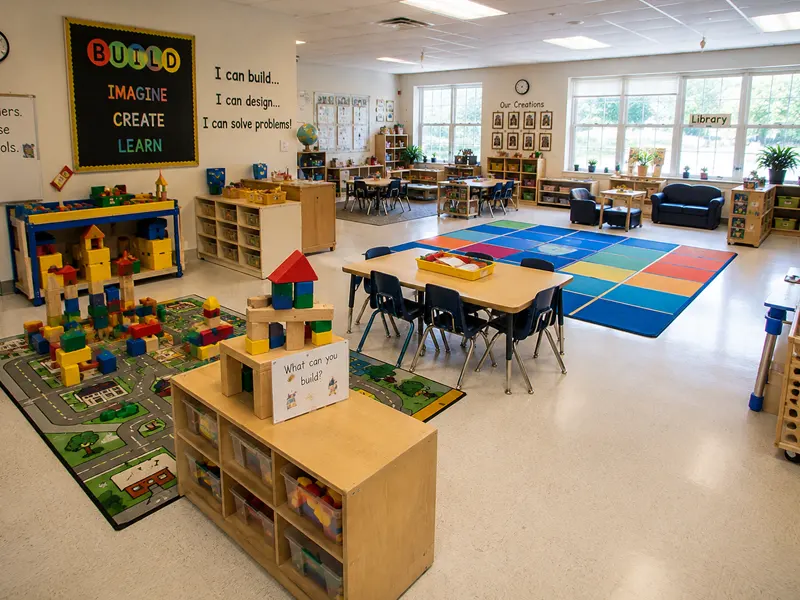
5. Block and Construction Area Themes
Transportation, city, construction, and road themes are commonly used in block play areas. Open floor space, low shelves, and movable storage make it easier for children to build and collaborate.
6. Calm Corner Themes
Calm corners usually use softer themes with neutral colors, soft textures, and minimal decorations. These spaces are designed to help children relax, regulate emotions, and take breaks when needed.
The theme directions include:
- Cozy nest
- Soft cloud corner
- Woodland calm area
- Peaceful reading nook
- Gentle nature corner
This area can include soft seating, cushions, low shelves, rugs, privacy dividers, and sensory items. It should not be overdecorated. The purpose is to help children feel comfortable and calm.
Preschool Classroom Decoration Ideas for Different Themes
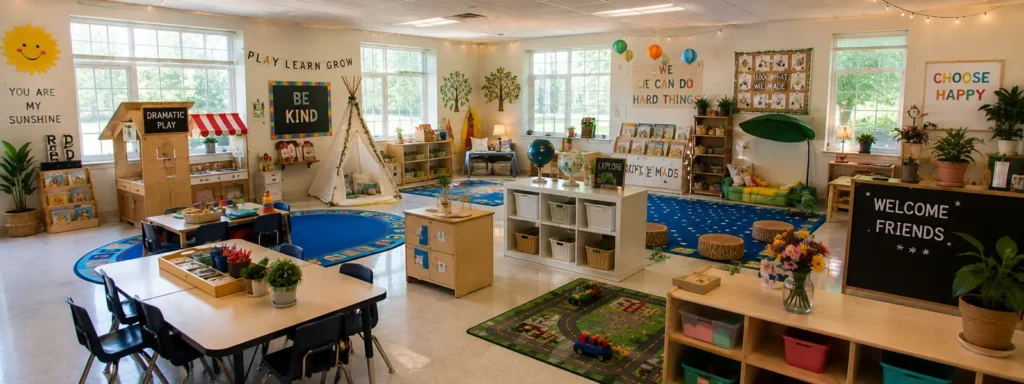
Classroom decorations should support the theme without making the room feel crowded. The best preschool classroom decorations are simple, easy to update, and connected to learning activities instead of only filling empty wall space.
Wall Decorations
Wall decorations are usually the most visible part of a classroom theme. Teachers often use themed posters, student artwork, learning charts, and seasonal displays to support the classroom atmosphere.
It is better to keep wall displays organized and leave some open space so the classroom does not feel visually overwhelming.
Door Decorations
Classroom doors are often used to introduce the current theme. Seasonal welcome signs, animal themes, nature scenes, or community helper designs can help children feel excited when entering the classroom. Simple door decorations are usually easier to maintain throughout the year.
Bulletin Board Ideas
Bulletin boards work best when they display children’s work and classroom activities instead of only printed decorations. This helps the theme feel more interactive and meaningful. Teachers often update bulletin boards based on seasons, learning units, or classroom projects.
Ceiling and Hanging Decorations
Hanging decorations can help create a stronger classroom atmosphere, especially for ocean, space, or seasonal themes. However, too many hanging items can quickly make the room feel busy.
Color Palette Ideas
Color plays a major role in classroom atmosphere. Nature themes often use wood tones and soft greens, while ocean themes may use blue and white combinations. Warm colors are common in fall themes, while neutral tones are often used in Montessori inspired classrooms.
The goal is to create a classroom that feels calm, welcoming, and easy for children to focus in.
How to Design a Classroom Theme Without Overdecorating?
Many classrooms become difficult to manage because the theme is used too heavily. Too many colors, posters, hanging decorations, and large props can make the space feel busy. Children may find it harder to focus, and teachers may find it harder to clean, organize, and supervise the room.
The better approach is to keep the theme simple and purposeful.
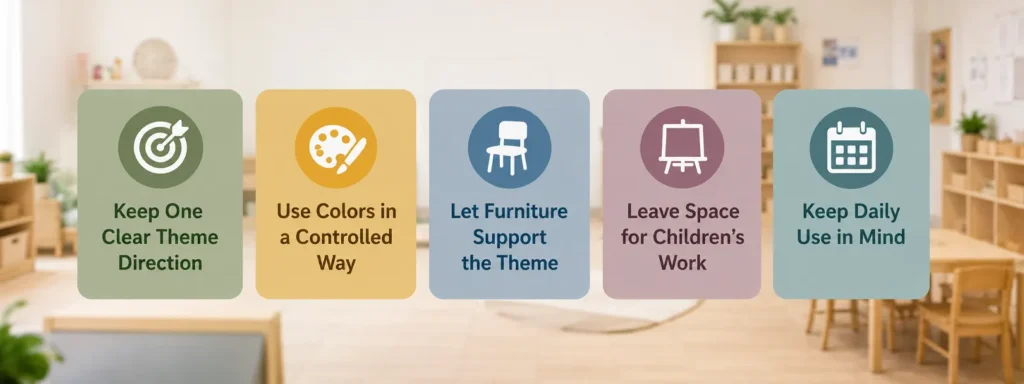
- Keep One Clear Theme Direction
Choose one main theme and keep the visual style consistent. The theme should be easy to recognize, but it does not need to appear on every wall, shelf, and table. - Use Colors in a Controlled Way
Color is one of the simplest ways to highlight a theme, but it must be used with caution. Coordinate your color palette with the surrounding environment, rather than relying exclusively on vibrant hues. - Let Furniture Support the Theme
Furniture alone can create a classroom atmosphere without the need for excessive ornamentation. Simply select pieces with distinctive designs, allowing the furniture itself to serve as an integral part of the thematic decor. - Leave Space for Children’s Work
The classroom should not contain only decorations created by adults; children’s artwork, project displays, and photographs should also be an integral part of the classroom environment. - Keep Daily Use in Mind
A classroom theme should work during real classroom routines. A beautiful theme is only successful when the classroom is still easy to use every day.
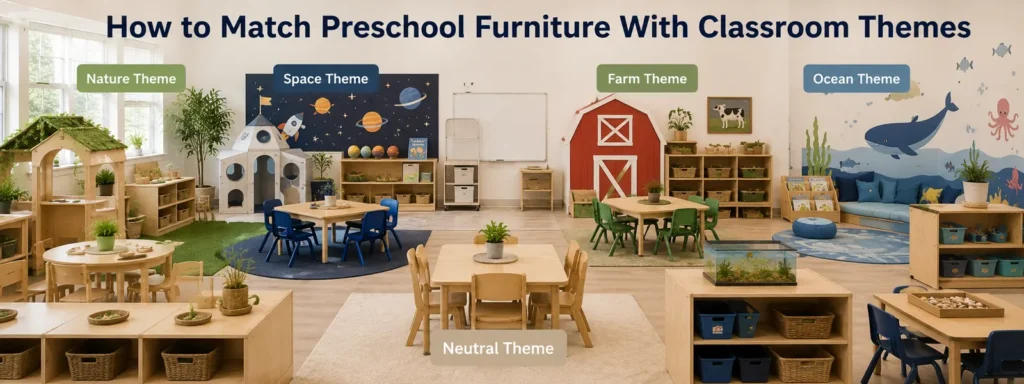
How to Match Preschool Furniture With Classroom Themes?
A classroom theme should work together with the furniture, not compete with it. Furniture affects how children move, learn, play, and use the classroom every day.
For preschool directors and daycare owners, furniture planning should start early. If the furniture does not match the theme, layout, and daily activities, the classroom may look nice but become difficult to manage.
Match Furniture Colors Carefully
Furniture colors should support the classroom theme without making the room feel too bright or distracting. Many modern preschool classrooms use natural wood colors or soft neutral tones because they work with many different themes throughout the year.
For schools with brand colors or special design needs, custom color options can also help create a more unified classroom look.
Choose Flexible Furniture
Flexible furniture makes it easier to update classroom themes without changing the entire setup. Open shelves, movable storage, and modular tables can adapt to seasonal or activity based changes more easily.
Plan Storage Before Adding Decorations
Theme materials can quickly become messy if there is no storage plan. Baskets, cubbies, cabinets, tray shelves, and labeled bins help teachers keep materials sorted by activity, season, or learning area.
Balance Decoration and Function
Some classrooms focus too much on decorations and forget how children actually use the space. The best classroom themes still leave enough room for movement, group activities, teacher supervision, and daily routines.
How to Plan Preschool Classroom Themes for the Year?
Planning preschool classroom themes for the year helps teachers stay organized and reduces the stress of constantly changing classroom setups.
Start With Seasonal Themes
Many schools plan themes around spring, summer, fall, and winter because they naturally connect with weather, holidays, and children’s daily experiences.
Seasonal planning also makes classroom updates feel more natural throughout the year.
Build Around Children’s Interests
Themes are usually more successful when they match what children are already curious about. Animals, transportation, space, nature, and dramatic play themes often keep children engaged longer because they encourage conversation and exploration.
Keep the Main Classroom Setup Stable
It is not necessary to redesign the entire classroom every month. Most teachers keep the main furniture and layout the same while updating books, activity materials, wall displays, and smaller decorations.
Create a Simple Theme Calendar
A yearly theme calendar helps teachers organize activities, classroom materials, and seasonal transitions in advance. This is especially useful for daycare centers that want a more consistent classroom experience.
Conclusion
The purpose of themes in preschool classrooms is not merely to make the space look more attractive, but rather—by aligning with corresponding learning curricula—to make it easier for children to understand and engage with the material.
For teachers, the right theme can make daily activities easier to plan. For preschool owners and daycare directors, it can improve the classroom’s first impression and make the space feel more professional to families. For new preschool projects, themes can also help connect furniture, layout, color, storage, and learning goals into one complete classroom plan.
If you are planning a new preschool classroom or upgrading an existing daycare space, start with the theme, but do not stop there. Think about how the space will be used every day, what furniture each area needs, and how the classroom can stay flexible for future themes and activities.
FAQs About Preschool Classroom Themes
1. What are some popular preschool classroom themes?
Popular preschool classroom themes include nature, ocean, farm, space, transportation, community helpers, all about me, animals, seasons, camping, insects, and around the world.
2. How often should preschool classroom themes change?
Preschool classroom themes can change monthly, seasonally, or based on the learning unit. There is no fixed rule.
For most classrooms, changing the entire room too often can be stressful for teachers. A better approach is to keep the main furniture and layout stable, then refresh books, wall displays, activity materials, and small decorations.
3. Are classroom themes necessary in preschool?
Classroom themes are not required, but they can make teaching and classroom organization easier. A clear theme gives children a sense of direction and helps teachers connect different activities around one topic.
The key is to keep the theme useful. If the theme only adds decoration but does not support learning, organization, or classroom routines, it may not bring much value.
4. How do I choose a theme for a small preschool classroom?
For a small preschool classroom, choose a simple theme with a light color palette and fewer decorations. Nature, reading garden, ocean, woodland, or calm neutral themes often work well. Avoid covering every wall or adding too many hanging decorations. Small classrooms need open space, clear storage, and flexible furniture to keep the room comfortable and easy to move through.
5. What is the difference between classroom themes and classroom decorations?
A classroom theme is the overall idea of the room. Classroom decorations are the visual details used to express that idea.
For example, an ocean theme may include ocean books, sensory activities, blue color accents, sea animal artwork, and science exploration. Wall posters or door decorations are only one part of the full theme.
6. What themes work best for Montessori or Reggio-inspired classrooms?
Montessori and Reggio-inspired classrooms usually work better with natural, simple, and open-ended themes. Nature, seasons, plants, light and shadow, community, art, and sensory exploration are good choices.
7. What should teachers avoid when using classroom themes?
Teachers should avoid using too many decorations, choosing themes only because they look cute, or creating displays that are difficult to maintain.
8. Should every learning area follow the same classroom theme?
Not every area needs to look the same, but the classroom should feel connected. The reading corner, art area, science center, and dramatic play area can each show the theme in different ways.