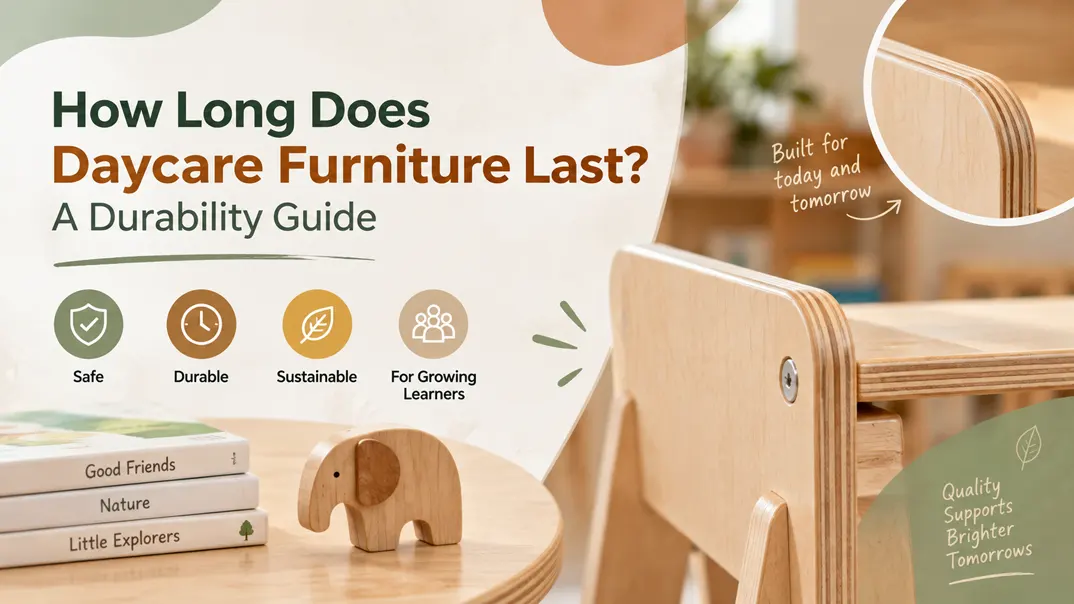
Your preschool daycare furniture struggles with daily spills, heavy use, and constant movement during busy hours.
Do you wonder how long indoor furniture can actually withstand such frequent wear and tear? The answer lies in material, usage intensity, and maintenance. Skip any one of these, and even a sturdy furniture unit will easily wear out early.
This guide breaks down the average lifespan of indoor furniture, plus the warning signs of replacement. Along with maintenance tips to keep your equipment up and running at all times.
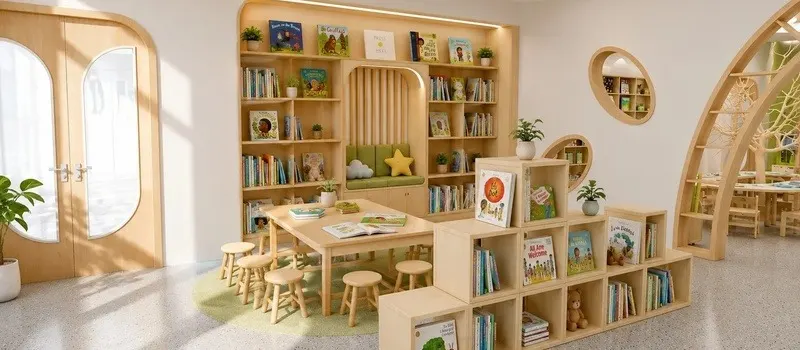
Average Lifespan Of Preschool Furniture By Type
Each furniture unit has its own range of durability and lifespan. Thus, regular safety assessment is essential to avoid repeated maintenance costs.
However, according to industry-recognized standards, “BIFMA Grade,” the average lifespan of every essential preschool furniture unit is as follows:
| Furniture Type | Average Lifespan |
| Tables And Chairs | 10–15 years |
| Cots And Rest Mats | Mats: 3–5 years Cot Frames: 7–10 years |
| Cubbies And Open Shelving | 12–20 years |
| Soft Seating And Rugs | 3–5 years |
| Mobile Carts/Cabinets On Casters | 7–10 years |
What Impacts The Lifespan Of Furniture Type?
As fixed daycare classroom furniture like cubbies or shelves barely moves, they last longer because they bear less stress on a daily basis.
On the other hand, soft-fiber seating fabric tears, and its foam breaks down faster with regular usage and cleaning.
However, what confuses buyers is “cots” because this piece of furniture ages quite differently from others. If you invest in a steel or plastic cot frame, it can outlast approximately 3 to 4 mat replacements with regular assessment.
But if you are purchasing mobile carts, remember carts fail at the wheels first, not the whole cabinet. And if the carts have an inbuilt caster locking system, the unit bears the most stress daily. So, it’s a must for you to check whether the whole unit requires replacement or just a part.
Which Materials Last Longest In A Preschool Classroom?
The same type of furniture acts differently depending on the material used. One solid wood chair may last longer compared to other lightweight materials. Both types of furniture will age differently.
| Material | Typical Lifespan | Strength | Weakness |
| Solid Wood | 15–20 years | Handles heavy daily use and repairs easily | Costs more upfront; needs periodic refinishing |
| Plywood | 10–15 years | Resists warping better than solid wood in humid rooms | Edges can chip if not sealed well |
| Laminate or Melamine | 7–10 years | Wipes clean fast; resists stains and scratches | Chips or peels once the surface layer is damaged |
| Plastic | 8–12 years | Fully waterproof; lightest for moving rooms | Cracks under heavy impact over time |
| Metal | 15–20 years and above | Strongest frame material; handles constant movement | Can dent or rust if the coating wears through |
Raw materials like metal and solid wood are generally best for a longer furniture lifespan. However, the quality only remains consistent if the finish and construction method of the furniture are correct.
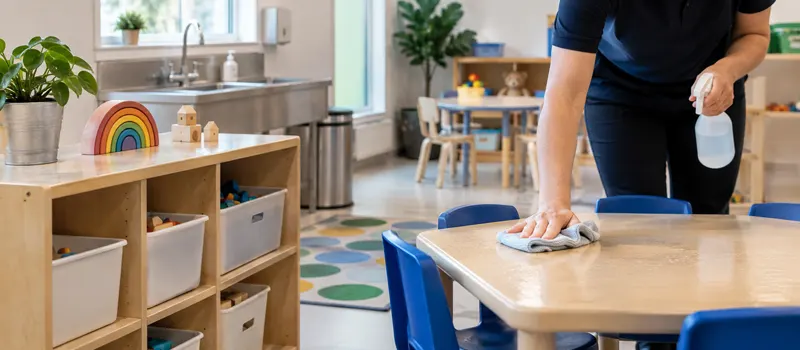
Which Materials Hold Up Best To Moisture And Daily Scrubbing?
When it comes to handling moisture, raw materials act differently. However, the most prominent materials for daily-use furniture are:
- Metal and Plastic
If it’s about handling moisture, metal and plastic handle moisture at their best. Since they do not absorb liquid spills, it’s easy to wipe and clean surfaces multiple times in a day. This will not affect the lifespan of the material.
However, it’s quite essential to always opt for premium-grade plastic. Your preschooler’s furniture should not emit harmful chemicals.
- Plywood or Solid Wood
Whereas wooden materials like plywood or solid wood require a sealed finish like lamination to resist moisture. Without proper coverage, water or any other liquid spill may seep into wooden material and cause swelling or warping.
But the only downside of lamination is that the covering fails at exposed edges. Once the liquid gets under a chipped edge, it can damage the material very fast.
Why Finish Quality Matters As Much As The Base Material
Finish quality is as important as the base material used. Even with high-quality material, if the finish of your daycare furniture is weak, the unit will not last long.
A good-quality finish creates a protective layer on furniture that prevents it from wearing out quickly. Thus, it’s always better to look for good material with an A-rated finish to withstand deep cleaning sessions with disinfectants or scrubbing.
How Construction Quality Affects Furniture Lifespan
You will be surprised, but two furniture pieces made from the same base material can age differently based on how they are built. For example,
- Welded joints provide more stability and hold better than screwed joints under constant movement, especially when attached to metal frames.
- With screwed or bolted hardware, maintenance is easy. You can tighten and repair bolts for years and years.
- However, glue-only joints fail to withstand much pressure and fall once the bond weakens, with no easy fixing.
- If your furniture has thicker edge banding, it can easily resist chipping and peeling for longer periods compared to thin surfaces.
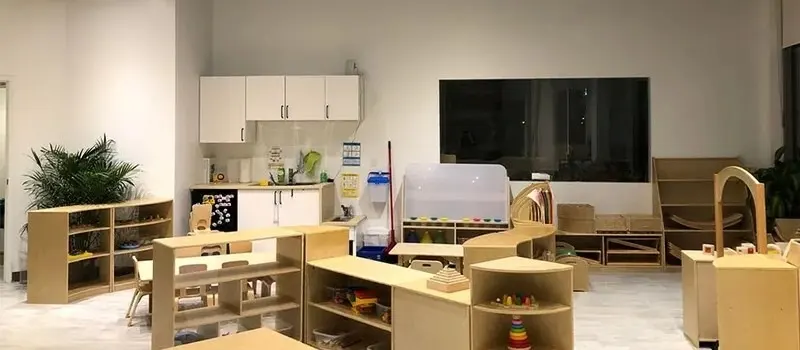
When you compare different furniture units, focus more on construction; ask the manufacturer about the hardware used and how joints are made.
Construction quality often reflects the real difference in durability between 7-year-old and 15-year-old furniture.
How Durability Testing Predicts Real-World Furniture Life
Pricing educates you about long term cost-effectiveness, and warranty explains what’s covered in the package. But neither tells you exactly how long a furniture unit will withstand the demands of a busy daycare classroom.
With ratings of cycle testing, you can analyse how durable the material is and for how long it can last in a preschool daycare setup.
What Cycle Testing Actually Simulates
Cycle testing is a rigorous mechanical process where a furniture unit is put through repeated movements and stress. Imitating the kind of wear and tear the furniture has to endure in the classroom.
The furniture is put through repeated stress from standing, sitting, stacking, closing, opening, and rolling. Depending on the protocol, these cycles are built to simulate roughly 10 years of daily classroom use, compressed into a single testing run.
What To Ask A Manufacturer Before You Make a Purchase
Looking for an A rating is essential, but don’t limit your inspection. Ask questions that verify whether the durability was actually tested:
- Has this furniture ever been cycle-tested, and for how many cycles?
- What real-world usage does that testing represent?
- Which parts failed first during testing, and were they reinforced afterward?
- Does the warranty length match the tested lifespan, or fall short of it?
A manufacturer who tests their furniture through industry standards can easily answer these questions with real data. If you get vague answers instead, it’s a sign to look elsewhere.

Usage Intensity: How Daily Hours Affect Durability
Usage intensity is among the three factors that decide how long your daycare furniture will last.
Full-Day Daycare Programs
Daycares with full-day programs put more pressure on furniture. More hours in the classroom means more sitting, moving, or stacking will be happening. This raises daily stress on each unit, so furniture tends to wear faster than the suggested lifespan.
Half-Day Daycare Programs
Whereas, half-day sessions result in furniture having more recovery time between usage; therefore, wear will occur slowly despite daily use.
How Age Group Changes the Speed of Damage
Comparing 2 prominent age groups: toddlers and preschool kids. They all have their unique way to use furniture even under identical hours of classes.
- Toddlers usually push and climb furniture and test its durability without sitting on it. During such activities, sometimes chairs get tipped, cabinets get pulled on, and shelving doubles as a step stool.
- Whereas preschool children sit in one place and test the daycare furniture by repeated usage.
5 Warning Signs It’s Time To Replace Daycare Furniture
Your preschool daycare furniture does not fall apart all at once; it shows signs. And if you don’t conduct regular assessments, you may overlook those signs and face an expensive bill for repairs.
Here’s a list of warning signs to look for:
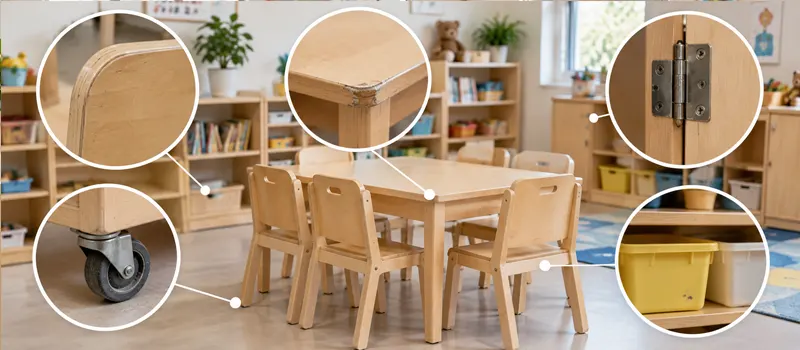
- Damage on High-Contact Points: Assess chair legs and cubby corners. These spots get the most contact and wear out. Also, look for worn finish, visible scuffing deeper than minor scratches, and rounded edges getting flat.
- Structural Damage and Cracked Joints: Check from time to time whether your furniture is getting wobbly; give chairs or tables a gentle shake. If any unit wobble means it has loose joints. Check for cracks that typically appear where legs meet the seat/frame.
- Round Curves Turned Sharp Edges: Round corners wear off after years of contact and regular cleaning. Once the round edge starts to flatten and get chipped, it becomes sharp enough to tear clothes or cause injury. Inspect each one of your pieces of furniture and run your hand along the edges carefully.
- Peeling of Lamination or Exposed Particleboard: Always check corners and edges for torn or lifted lamination. Raw particleboard underneath lamination can absorb moisture and cause your furniture to swell. Once the lamination tears, the damage spreads too fast.
- Failed Anti-Tip Hardware or Stripped Screw Holes: Test anti-tip straps, anchors, and other hardware attachments. If the anti-tip hardware is not holding the pressure anymore, know the tip-over protection isn’t working, and there is nothing for the hardware to grip onto.
When Repair Still Works Vs. When It Doesn’t
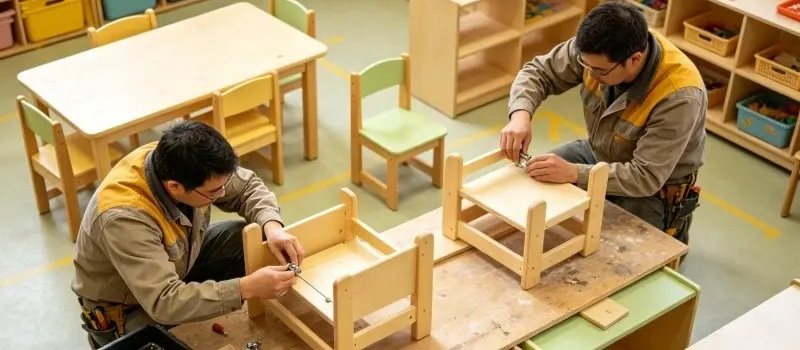
Not every damage requires replacement of furniture; you can save your piece with a quick fix. There are signs that your furniture only requires repair:
- Furniture’s hardware is loose while the screw holes are still intact
- The finish is worn out, but the base material is intact underneath
- Only part, like a caster or a strap, needs replacing, not the whole unit
Signs your furniture requires replacement:
- If anti-tip hardware fails off and is not holding grip even after a repair
- If your furniture shows structural cracks or splits at joints
- When particleboard is exposed and has already started absorbing moisture
However, if the damage is recurring and has damaged the core structure of the furniture, then replacement is the best choice. Avoid keeping that unit of furniture in rotation.
Maintenance Tips That Extend Furniture Lifespan
Having good-quality material furniture is a choice, but keeping that unit up and running is regular maintenance. A few simple habits can add years and years to the lifespan of the unit.
- Watch Out For the Cleaning Chemicals You Use: Harsh disinfectants can break down finishes faster than usual while stripping protective coatings. Always use a specific cleaner for a specific base material, as suggested by experts.
- Don’t Leave the Room Untidy: Stack the furniture like chairs and cots right away. This habit will not only save space but will also not add unnecessary stress to the joints and legs of furniture.
- Stacking Furniture Evenly: Remember to stack within the manufacturer’s recommended height limit. Uneven stacking can put pressure on parts of furniture that aren’t designed to bear such a weight shift.
- Schedule Hardware-Tightening Frequently: It’s quite natural for a screw or bolt to loosen up with daily movement. Even well-built furniture could face such malfunctions, which speeds up the wear & tear around the bolt. Ensure you frequently check bolts for any loose ends and keep them tight.
- Limit Direct Sunlight Exposure: Constant sunlight exposure fades away the finish quickly and weakens the surface long before physical damage appears. If your furniture is placed near windows, rotate units occasionally, or you can use blinds during peak hours of sunlight.
- Follow A Simple Inspection Routine: Perform a visual inspection once a week. Check for any loose components, cracking, or paint that may be coming off. Perform a structural inspection every 3 to 6 months.
Cost Per Year: Why Durable Furniture Pays Off
Preschool daycare furniture is a 15 to 25-year investment, its cost varies depending on furniture type, base material, construction, and hardware used.
However, there are some factors that can affect the durability of furniture, which will ultimately affect your overall investment.
For example,
- If your low-cost table is valued at $150 today and lasts for an average of 5 years, then your per-year cost will be $30.
- Whereas, if you invest your budget in a durable material table, it might cost double, i.e., $350, but it will last 15 years, and the per-year cost will come down to $23.
The cheap furniture will sound inexpensive today but comes with repeated maintenance. This will ultimately increase your budget for per year expenditures.
Cheap Furniture vs Durable Furniture
As illustrated above, the cost of selecting furniture based on its price will usually turn out to be higher in the long run. And the cheaper table needs replacing 3 to 4 times over that same span.
Hidden Cost Behind Frequent Furniture Replacements
The investment made during the purchase of daycare furniture isn’t the only cost associated with your budget. With every replacement cycle, the cost keeps getting added, which will include:
- Downtime of your daycare furniture, as new purchases may take time to arrive. Because if you miss out on regular maintenance, chances are high the unit will collapse one day.
- The disposal costs for furniture that has worn out over time and is not in the best condition to recycle.
- With every new purchase of furniture, you will require re-inspections to confirm whether the new additions still comply with licensing and safety standards.
FAQs
1. What Is The Average Lifespan Of A Daycare Chair?
Usually, daycare furniture has an average lifespan of 10-15 years if the quality, material, and construction of the chair are top-notch.
2. Does Furniture Warranty Length Equal Expected Lifespan?
No, furniture warranty length is not equal to the average lifespan. Most pieces of furniture are designed to last longer than the period provided on warranty coverage.
3. How Often Should A Daycare Replace Its Furniture?
Preschool furniture does not have a strict schedule for replacements. But in a standard daycare classroom, chairs and tables will typically last 7 to 15 years of use, and then you may require replacement.
4. Can Damaged Preschool Furniture Be Repaired Instead Of Replaced?
Yes, you can easily repair furniture if the damage is under surface level or minimal.
5. Does Outdoor Preschool Furniture Wear Out Faster Than Indoor Furniture?
Yes, outdoor furniture suffers from external environments; coming into contact with direct UV rays and handled with rigorous usage, it wears out quickly.
Conclusion
The lifespan of furniture is determined by 3 factors together, i.e., material, maintenance, and usage intensity. Just saying that the furniture is durable does not mean it will be durable. You need to verify industry-recognized standards, “BIFMA Grade,” and analyse maintenance requirements before buying.
However, purchasing your furniture from trusted sources like West Shore will eliminate the stress. They are a reliable manufacturer, specialising in childcare/daycare furniture and custom-made units.