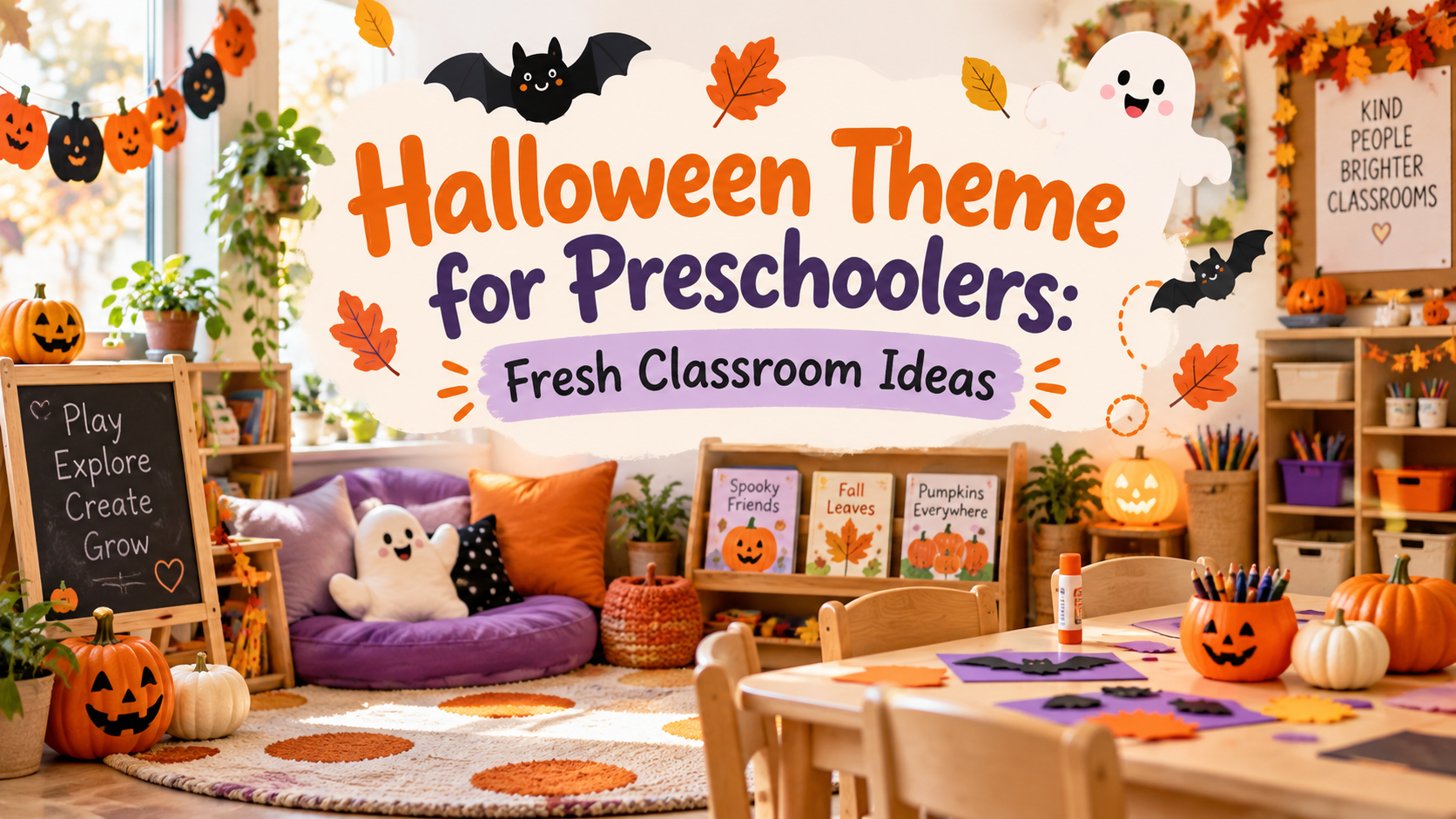
Halloween can be much more than pumpkins on the shelves and paper ghosts on the walls. Turn a corner into a little pumpkin shop, hide friendly ghosts for children to find, or let them build a monster town with blocks. You don’t need to transform the whole room to make the day feel special. Here are simple activities and classroom ideas you can adapt to your group.
Why Choose a Halloween Theme for Preschoolers?
Halloween gives you a chance to bring something new into the preschool day. Children may be more excited to visit a pretend pumpkin shop, create a silly monster, or follow a trail of friendly ghosts than to do the same activities without a theme. Familiar classroom materials can take on a new purpose, giving children fresh ways to play, explore, and use their imagination.
It can also bring children together around a shared experience. They can make decorations for the room, come up with ideas for a group game, or take on different roles in pretend play. These kinds of experiences fit naturally with a play-based approach to early learning, where children learn through exploration, choice, and active participation. You don’t need an elaborate party or a room full of decorations to make it worthwhile. A few well-chosen activities can add variety to the classroom routine while giving every child a way to participate, even if they prefer autumn-themed activities over traditional Halloween fun.
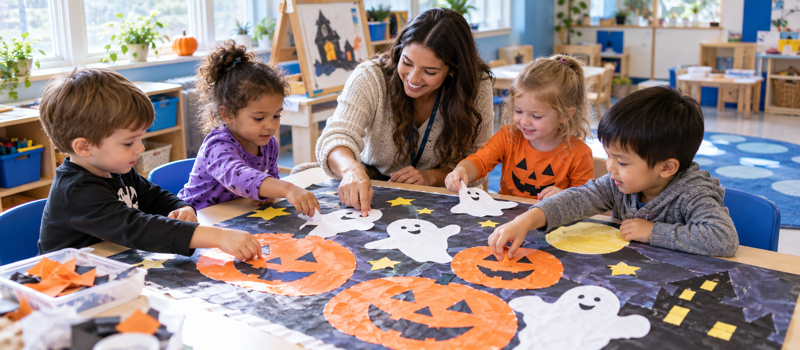
10 Creative Halloween Activities for Preschoolers
You don’t need to run all ten activities in one day. Pick a few that suit your group, use materials you already have, and let the children take the play in their own direction.
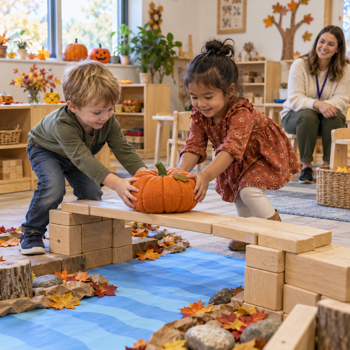
1. The Great Pumpkin Rescue
Make a pretend stream with blue paper or fabric, then place a soft pumpkin on one side. Put a few broad blocks or sturdy pieces of cardboard nearby and ask, “How can we get the pumpkin across?” Let the children try out their ideas and test the bridge with the pumpkin. If it wobbles, they can make changes and try again. Keep everything low to the floor and use a light pumpkin.
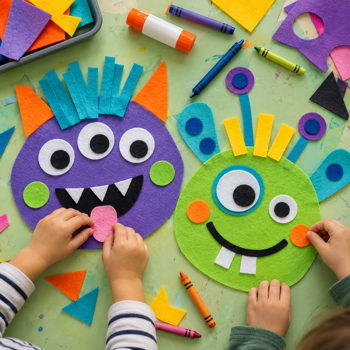
2. Monster Lab: Create Your Own Friendly Monster
Set out large paper shapes, fabric scraps, crayons, and glue sticks. Children can build a monster any way they like, then tell you what it looks like or what it loves to do. You might end up with a shy monster with tiny ears or one that helps in the garden. Let children explore the materials and come up with their own designs, rather than asking everyone to copy a finished example. This kind of process-focused art experience gives children more room to make their own choices. Display the finished monsters where they can see them.
3. Ghost Hunters: A Classroom Scavenger Hunt
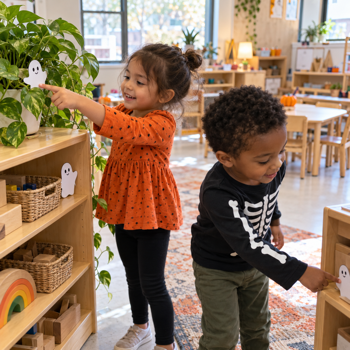
Hide a few friendly paper ghosts around the room, somewhere children can reach without climbing. Give them picture clues, such as a shelf, the book corner, or the play kitchen. When a child finds a ghost, ask where it was hiding. Younger children can follow simple picture clues; older ones can try a two-step hint. Count the ghosts together at the end so none get left behind.
4. Pin the Face on the Pumpkin
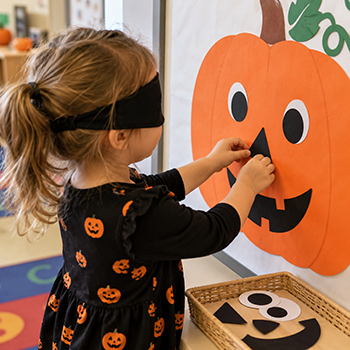
Draw a large pumpkin on poster paper and prepare separate eyes, noses, and mouths with reusable adhesive. Children take turns placing the facial features to create a funny pumpkin face. For younger children, skip the blindfold and let them choose where each piece goes.
5. Halloween Pumpkin Bowling
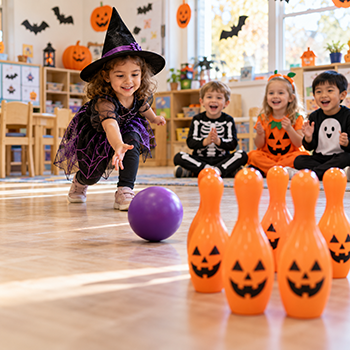
Arrange orange bottles or lightweight bowling pins decorated with pumpkin faces. Give children a soft ball and let them take turns knocking down the pins. Move the throwing line closer for younger children, or set up the pins in different arrangements to keep the game interesting.
6. What’s Inside the Mystery Box?
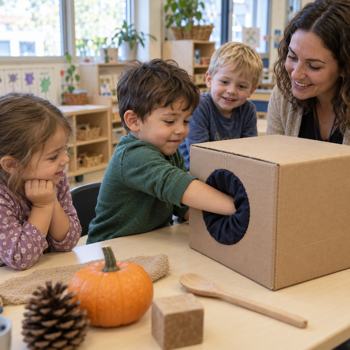
Place one familiar object inside a box with a fabric-covered opening for a hand. Without looking, a child feels the object and describes what they notice before guessing what it is. Then reveal it and compare the guess with the real thing. Try a smooth wooden block, a large fabric leaf, or a soft pumpkin. Using one object at a time keeps the game simple and avoids filling the box with lots of small pieces.
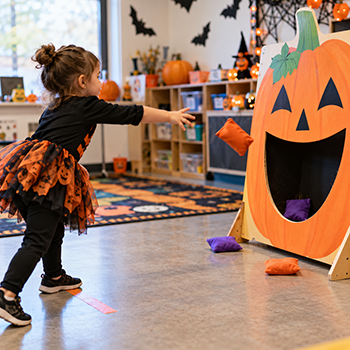
7. Halloween Bean Bag Toss
Place a pumpkin-themed target on the floor or against a stable board. Children can throw soft bean bags toward the target, aiming for a large opening or a marked area. Let them choose where to stand and encourage them to try again rather than focusing on scores.
8. Monster Dance Freeze
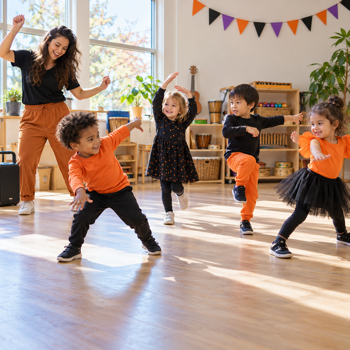
Put on some music and ask children to invent their own friendly-monster moves. Pause the music and everyone freezes. After a few rounds, let a child choose the next move: tiptoeing, stretching tall, or stomping slowly. Children who would rather not dance can join in with seated movements or watch for a turn. Move chairs and other obstacles out of the way before starting.
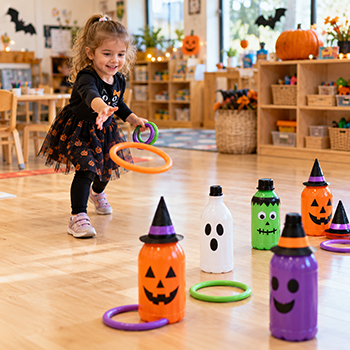
9. Halloween Ring Toss
Set out a few decorated bottles or cones with Halloween pictures and provide lightweight rings. Children can take turns tossing the rings onto their targets. Start with the targets close together, then adjust the distance as children become more confident.
10. Halloween Story Adventure
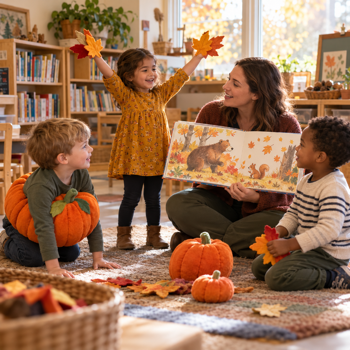
Start with a simple idea: a pumpkin has gone missing from the market, and a friendly monster wants to help find it. Ask the children where the characters should look next. Use a soft pumpkin, paper leaves, or the monsters they made earlier to act out their ideas. Keep the story moving by asking, “What happens next?” There’s no need for a script or a polished performance.
5 Halloween Classroom Themes That Feel Like a Different World
You can change the feel of a classroom without moving all the furniture or decorating every wall. Choose one clear theme for a corner or wall, add a few details children will recognize, and leave enough room for everyday play.
1. Little Pumpkin Patch
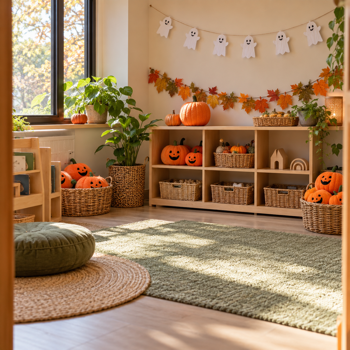
Make a small pumpkin patch with pumpkins in baskets, a few autumn leaves, and a low shelf for the display. Natural wood and soft green details keep the orange from taking over the room. You could also turn the corner into a pretend pumpkin stand, where children sort, pick, and “sell” the pumpkins. Keep the decorations together along one wall so the floor stays open.
2. Friendly Ghost Village
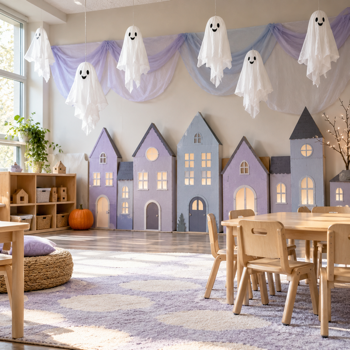
Turn one wall into a little village with lightweight house shapes in pale blue or lavender. Add smiling paper ghosts above the rooftops to make the Halloween theme clear without making it scary. Children can look for ghosts, make up stories about the houses, or use the village as a backdrop for pretend play. Secure decorations well and keep them out of children’s reach.
3. The Enchanted Halloween Forest
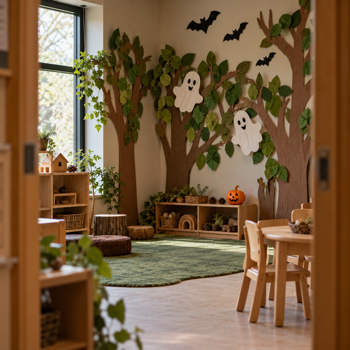
Use cardboard tree trunks and fabric leaves to make a forest along one wall. Add a few friendly ghosts or paper bats, then bring in blocks, animal figures, or nature-themed books for children to explore. They can build a woodland hideaway or invent a story about who lives in the forest. Keep the larger decorations flat against the wall so you can still see across the room.
4. Friendly Monster Town
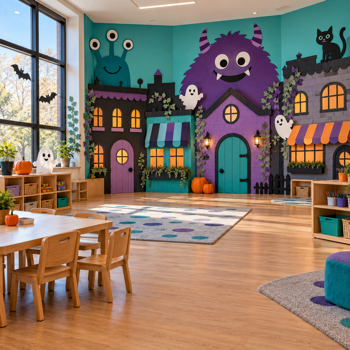
For a brighter look, make a row of colorful storefronts and little doors from flat cardboard. Add a few friendly monsters, ghosts, and pumpkins to bring the town to life. This theme works especially well with dramatic play: children can open a monster shop, design a monster home, or take turns visiting different places. Let the decorated wall do most of the work and keep the rest of the room simple.
5. Moonlit Storybook World
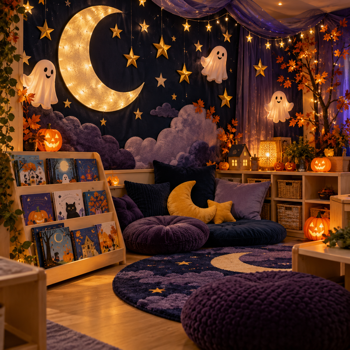
For a quieter Halloween setting, place a large paper moon and gold stars against a navy backdrop above your existing book display and cushions. A few cheerful ghost shapes and pumpkin decorations keep it playful rather than eerie. The contrast with the brighter themes is the point: this corner can feel special without flashing lights, crowded props, or a full-room makeover.
Create a Halloween Play Space with the Right Classroom Furniture
Start with the activities you want to make room for. A pretend pumpkin shop might need a child-height counter or table where two children can play shopkeeper and customer. A monster lab needs a work surface for making things, while a story corner needs a comfortable place to sit and a shelf for books. You don’t need special Halloween furniture; pieces that work for everyday play can do the job just as well.
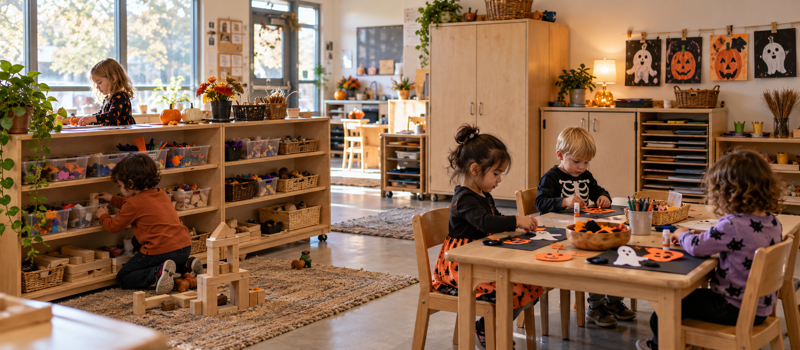
Keep frequently used materials on a low open-back shelf so children can see and reach what they need. For art supplies that move between activity areas, an art storage trolley can make setup and cleanup easier. Closed storage is useful for costumes, paper props, and seasonal decorations you don’t need out all the time. Choose furniture to suit the room and the children using it, and make sure shelves and play units are stable and don’t block your view.
Halloween Classroom Safety: What Teachers Should Check
Before the children arrive, walk through the room and check it from their point of view. Clear decorations and props from routes between the door, sink, and play areas. Keep delivery games away from furniture corners, and make sure children won’t need to climb to reach a decoration. Check that shelves and play furniture are stable and suitable for the way they’ll be used.
Choose craft and sensory materials with the youngest children in the room in mind, especially anyone who still puts objects in their mouth. If you want glowing decorations, use battery-powered lights and keep batteries and cords out of reach. Costumes should let children see clearly, move freely, and use the toilet comfortably. Check props after each session, too, and put away anything damaged or loose.
FAQs
1. How can you make Halloween enjoyable without frightening children?
Use friendly characters, familiar activities, and an easy way to opt out. A pumpkin market or story corner can carry the season without surprise scares, dark rooms, or frightening masks. Tell children what will happen before each activity so they can choose how to join.
2. Do you need a different set of materials for every activity?
No. Soft pumpkins can appear in the rescue, delivery, market, and story activities. Paper monsters can move from the art table into block play and storytelling. Reusing a few props makes the theme more coherent for children and easier for your team to put away.
3. What can you offer children who do not celebrate Halloween?
Keep the activities open to different levels of participation. A child can build a bridge, explore autumn colors, or join the market without using Halloween language or wearing a costume. Ask families about their preferences rather than assuming one approach fits everyone.
4. How long should a Halloween theme stay in the classroom?
Let children’s interest and your schedule decide. A week may be enough for a class that enjoys moving between themes; another group may return to the block house or market for longer. Keep what children continue to use and remove decorations that are only taking up space.
5. How do you keep a themed classroom from becoming cluttered?
Give each activity one clear home, limit the number of visible props, and store the rest nearby. If children cannot see what is available or move comfortably between areas, remove items before adding more. A small, usable setup usually serves play better than decorating every surface.
Conclusion
You don’t need a room full of new decorations to make Halloween memorable for preschoolers. A few simple activities, a playful corner, and materials you already have can give children plenty to build, create, explore, and talk about. Choose the ideas that suit your group and let the children add their own twists. If you’re planning a larger seasonal play area or reviewing your classroom furniture, West Shore can help you choose pieces that fit the way your preschool works.