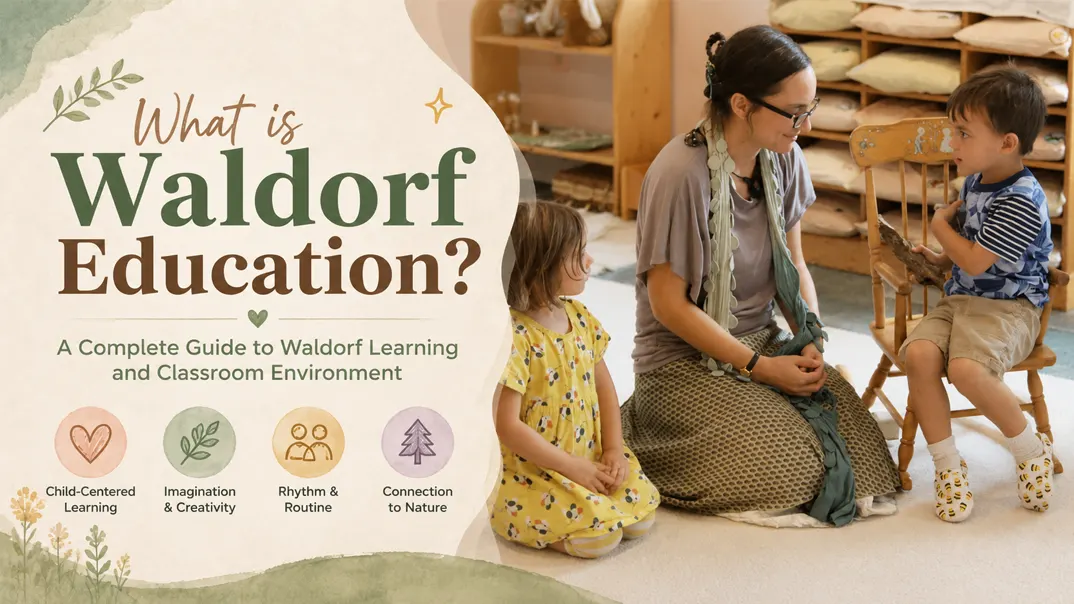
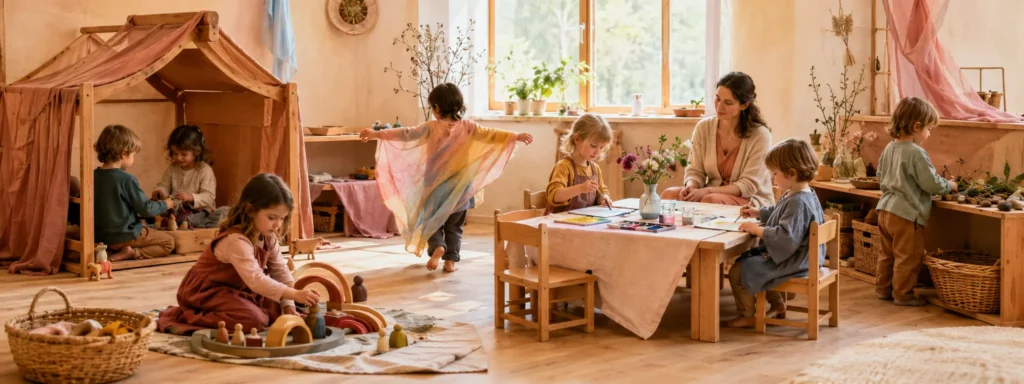
Walk into a Waldorf classroom, and the first thing you may notice is its quiet warmth. The room often feels simple and natural, with wooden toys, soft fabric, handmade materials, and open spaces where children can play, listen, move, and create.
In this guide, we will explain what Waldorf education is, how it started, its three learning stages, core principles, classroom style, benefits, and how to create a Waldorf-inspired preschool environment.
What is Waldorf Education?
Waldorf education is a child-centered approach that supports the holistic development of children. From preschool through Grade 12, it brings art, music, movement, storytelling, handwork, practical activities, and academic learning together in one connected learning experience. The goal is to help children stay curious, enjoy learning, and gradually develop their own abilities and potential.
Today, Waldorf education is used around the world, with approximately 1,000 schools and nearly 2,000 early childhood programs in more than 60 countries. Its learning philosophy is often described through three ideas: head, heart, and hands, which means thinking, feeling, and doing. Guided by this approach, Waldorf teachers support each child through lessons and daily activities that combine academic, artistic, and practical skills.
Who Started Waldorf Education?
Waldorf education was founded by Rudolf Steiner, an Austrian philosopher, educator, and social thinker whose ideas shaped a new approach to child development and learning. The first Waldorf school opened in 1919 in Stuttgart, Germany, for the children of workers at the Waldorf-Astoria cigarette factory. This is where the name “Waldorf” comes from.
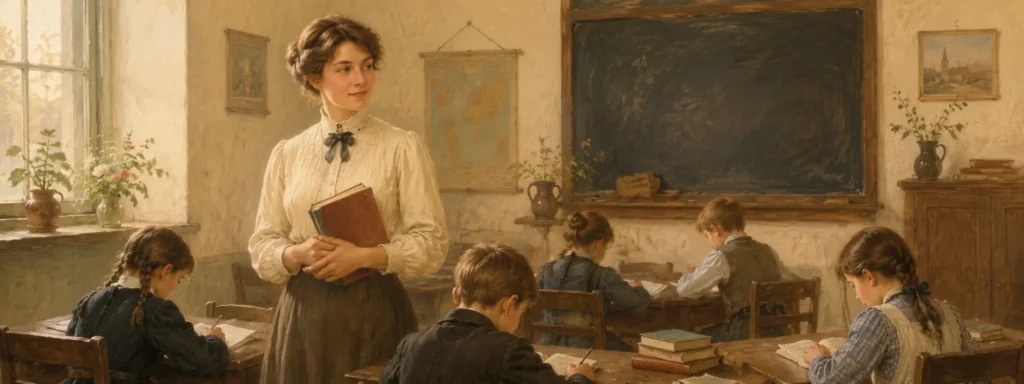
Steiner believed that education should respond to the needs of the growing child. His approach looked at human development as a whole, including thinking, feeling, creativity, movement, imagination, and moral growth. Instead of focusing mainly on memorization or academic results, Waldorf education was designed to support children through age-appropriate learning experiences.
This philosophy became the foundation of Waldorf schools around the world. Today, the approach is used in preschools, kindergartens, and schools that value rhythm, storytelling, artistic activities, practical work, nature, and hands-on learning. Although each Waldorf school may have its own classroom style, the core idea remains the same: education should nurture the whole child and respect each stage of development.
The Three Stages of Waldorf Education
Waldorf education is based on the idea that children develop through three main stages: early childhood, middle childhood, and adolescence. Each stage has different needs, so the Waldorf curriculum and teaching methods change as children grow.
Early Childhood
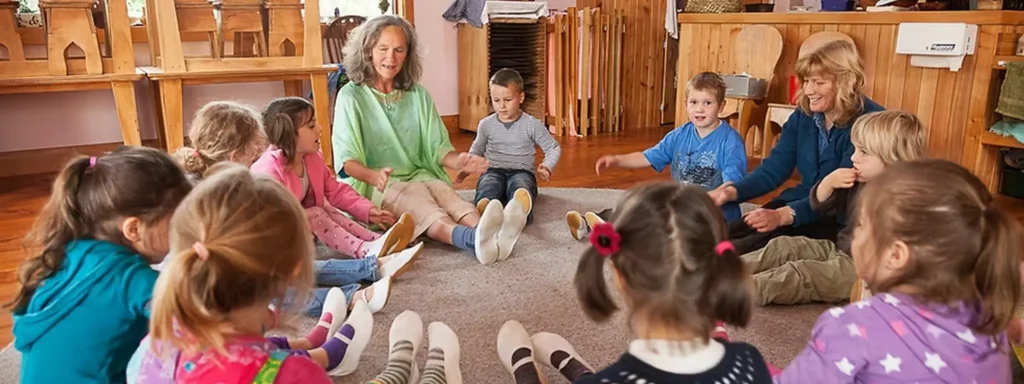
In early childhood, Waldorf education focuses on play, imitation, rhythm, movement, and sensory experience. Children learn by observing adults, using their bodies, touching real materials, and taking part in daily activities such as baking, cleaning, gardening, storytelling, singing, and outdoor play.
At this stage, the classroom is usually warm, simple, and natural. Wooden toys, soft fabrics, baskets, wool, and open-ended materials are often used to support imagination and direct connection with the real world.
Middle Childhood
In middle childhood, academic learning becomes more structured, but it is still taught through imagination, stories, art, music, movement, and hands-on activities. Subjects such as math, science, history, literature, and geography are often presented in a vivid and creative way.
The goal at this stage is to help children connect thinking with feeling. Waldorf teachers use artistic and experiential methods to make learning more meaningful, memorable, and emotionally engaging.
Adolescence
In adolescence, Waldorf education places more focus on independent thinking, critical judgment, discussion, research, and social responsibility. Students are encouraged to ask questions, form their own opinions, and understand their role in the wider world.
At this stage, the goal is to help young people develop clear thinking, self-awareness, responsibility, and the ability to act with purpose.
Core Principles of Waldorf Education
The core principles of Waldorf education are based on a deep respect for child development. Waldorf education sees each child as a whole person with physical, emotional, intellectual, social, creative, and practical needs. The classroom, curriculum, teacher, daily rhythm, and learning materials all work together to support this growth.
Whole-Child Development
Waldorf education focuses on the full development of the child. Academic learning is only one part of the picture. A Waldorf classroom also supports movement, imagination, emotions, social skills, creativity, practical abilities, and moral growth. This is why art, music, storytelling, handwork, outdoor play, and daily classroom routines are all seen as meaningful parts of learning.
Age-Appropriate Child Development
Waldorf education follows the idea that children grow through different stages. What a young child needs in preschool is different from what an older student needs in elementary or high school. In early childhood, the focus is usually on imitation, movement, rhythm, play, language, sensory experience, and social connection. Formal academic work becomes stronger as children become developmentally ready.
Head, Heart, and Hands
One of the best-known ideas in Waldorf education is “head, heart, and hands.” This means children learn through thinking, feeling, and doing. A lesson may include a story, a song, movement, drawing, handwork, practical activity, or direct experience. The goal is to help children understand the world through the mind, the emotions, and the body.
Rhythm and Repetition
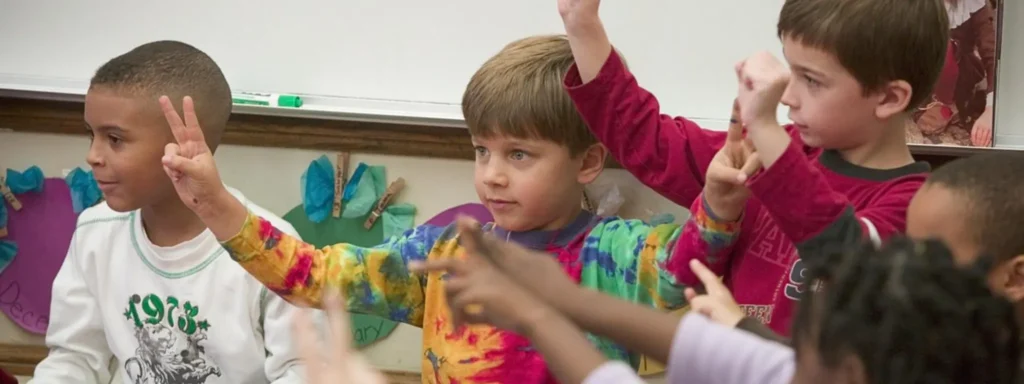
Rhythm is an important part of Waldorf education. Children feel more secure when the day has a steady flow. A Waldorf preschool day may include free play, circle time, snack, outdoor play, story time, handwork, and rest. Weekly and seasonal rhythms are also important, giving children a natural sense of time, order, and belonging.
Imagination, Art, and Storytelling
Waldorf education gives strong value to imagination. Stories, music, painting, drawing, movement, puppet play, handwork, and pretend play help children build language, creativity, emotional understanding, and flexible thinking. In early childhood, simple and open-ended materials are often used because they leave room for children to create their own ideas.
Relationships and Community
Healthy relationships are at the center of Waldorf education. Teachers aim to understand each child and support the class as a caring community. The relationship between teachers, children, families, and the school environment helps create trust and stability. Festivals, seasonal activities, shared routines, and classroom responsibilities also help children feel connected to others.
Practical and Nature-Based Learning
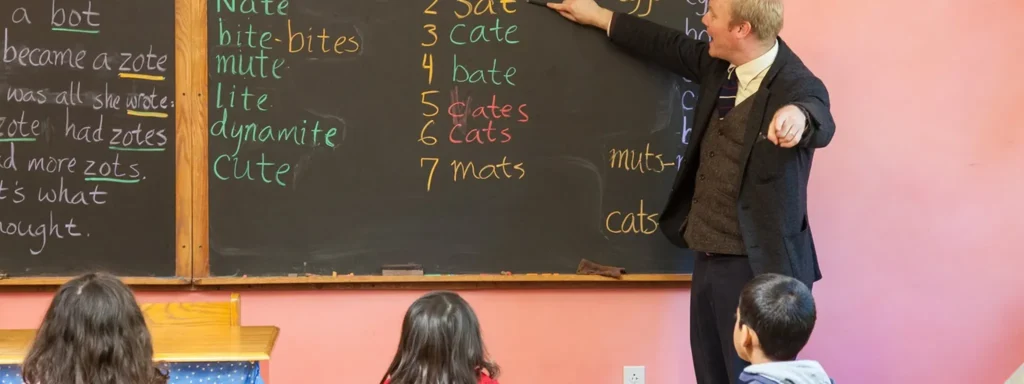
Waldorf classrooms often include real-life activities such as baking, gardening, cleaning, sewing, building, outdoor play, and caring for classroom materials. These activities help children develop coordination, patience, responsibility, and independence. Natural materials such as wood, wool, cotton, stones, leaves, and shells also help children stay connected to the real world through touch, movement, and observation.
Learning Through Teacher Observation
Waldorf teachers carefully observe the children and adjust their teaching based on the needs of the class. The teacher’s role is not simply to deliver information. It is to guide children through rhythm, example, stories, practical work, artistic activities, and meaningful experiences. This makes the classroom feel alive, responsive, and connected to the children’s stage of development.
Benefits of Waldorf Education
Waldorf education is often valued because it gives children an age-appropriate and unhurried way to grow. The curriculum follows children’s developmental stages, so learning is introduced in a way that matches their physical, emotional, social, and intellectual needs. This creates several clear benefits for children, especially in early childhood and school-age learning.
Academic Growth and Critical Thinking
Although Waldorf education often begins with a gentler academic pace in the early years, it builds a strong foundation for later learning. Subjects are often taught through main lesson blocks, where students spend focused time on one topic and connect it with stories, art, movement, observation, and hands-on work. This helps children develop deeper understanding, problem-solving skills, and independent thinking over time.
Social and Emotional Development
Waldorf education places strong value on relationships and classroom community. In many Waldorf schools, teachers may stay with the same class for several years, which helps build trust, stability, and a deeper understanding of each child. Daily rhythms, group activities, shared responsibilities, storytelling, and seasonal celebrations also help children develop patience, cooperation, empathy, and emotional confidence.
Artistic and Practical Skills
Art is deeply connected with Waldorf learning. Drawing, painting, music, drama, handwork, movement, and storytelling are often used across different subjects. Children may also take part in practical activities such as knitting, sewing, woodworking, baking, gardening, and classroom care. These experiences support fine motor skills, creativity, focus, confidence, and a stronger connection between thinking and doing.
A Calmer and Healthier Childhood Pace
Waldorf education aims to protect the quality of childhood by giving children time for play, outdoor activity, nature-based learning, and direct sensory experience. In early childhood, the use of screens and digital tools is usually limited, while real materials, movement, imagination, and social interaction are given greater importance. This can help children stay curious, active, and connected to the world around them.
Stronger Independence and Motivation
Because Waldorf education encourages children to take part in meaningful daily work, they often develop independence in a natural way. Children learn to care for materials, help with classroom routines, complete hands-on projects, and take responsibility for their role in the group. Over time, this supports inner motivation, self-confidence, and a stronger sense of purpose in learning.
Long-Term Learning Habits
Some studies and graduate surveys suggest that Waldorf students often show strong engagement in later education, creative problem-solving, and fields that require adaptability. While results can vary by school, teacher, and student, the long-term strength of Waldorf education is often seen in its focus on curiosity, confidence, creativity, social awareness, and lifelong learning.
A Different Path from Traditional Education
Waldorf education takes a different path from education models that place heavy focus on early testing, screens, or fast academic pressure. It gives children space to grow through rhythm, imagination, hands-on inquiry, art, nature, and strong relationships. This approach can be especially meaningful for families and schools that value creativity, emotional development, practical skills, and a warmer classroom environment.
What Does a Waldorf Classroom Look Like?
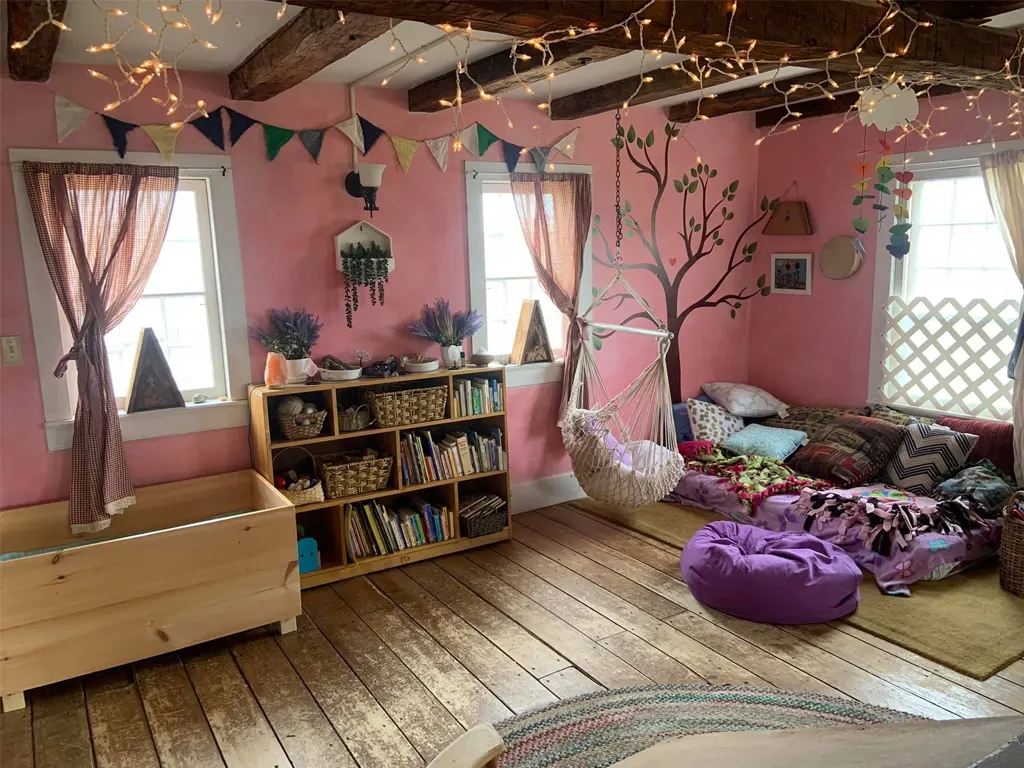
A Waldorf classroom usually feels warm, calm, and natural. The space is often designed to look closer to a home environment than a traditional classroom. Instead of bright plastic colors, crowded walls, or too many fixed learning stations, Waldorf classrooms often use soft colors, natural light, wooden furniture, fabric, baskets, simple toys, and open spaces for movement and pretend play.
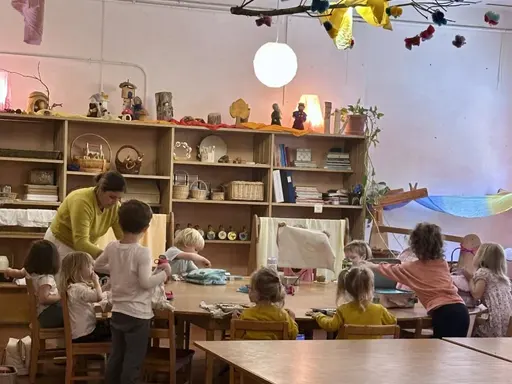
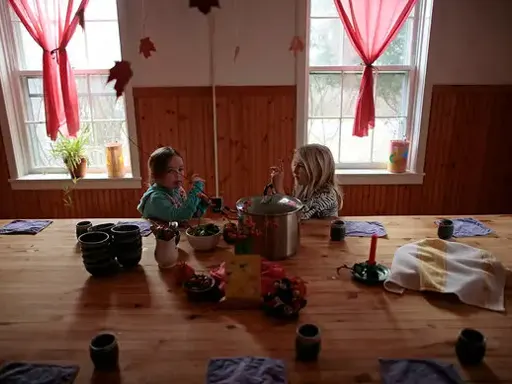
The layout is usually simple and easy for children to understand. Low shelves make materials visible and accessible. Wooden tables and chairs support daily activities such as drawing, painting, handwork, snack time, and group projects. Baskets and storage units help keep the classroom organized without making the space feel too rigid or busy.
Pretend play is also an important part of the Waldorf classroom. You may see a play kitchen, doll corner, wooden play stands, building blocks, fabric pieces, animal figures, and nature materials. These items are usually open-ended, which means children can use them in many different ways. A wooden block can become a house, a bridge, a shop counter, or part of a story created by the child.
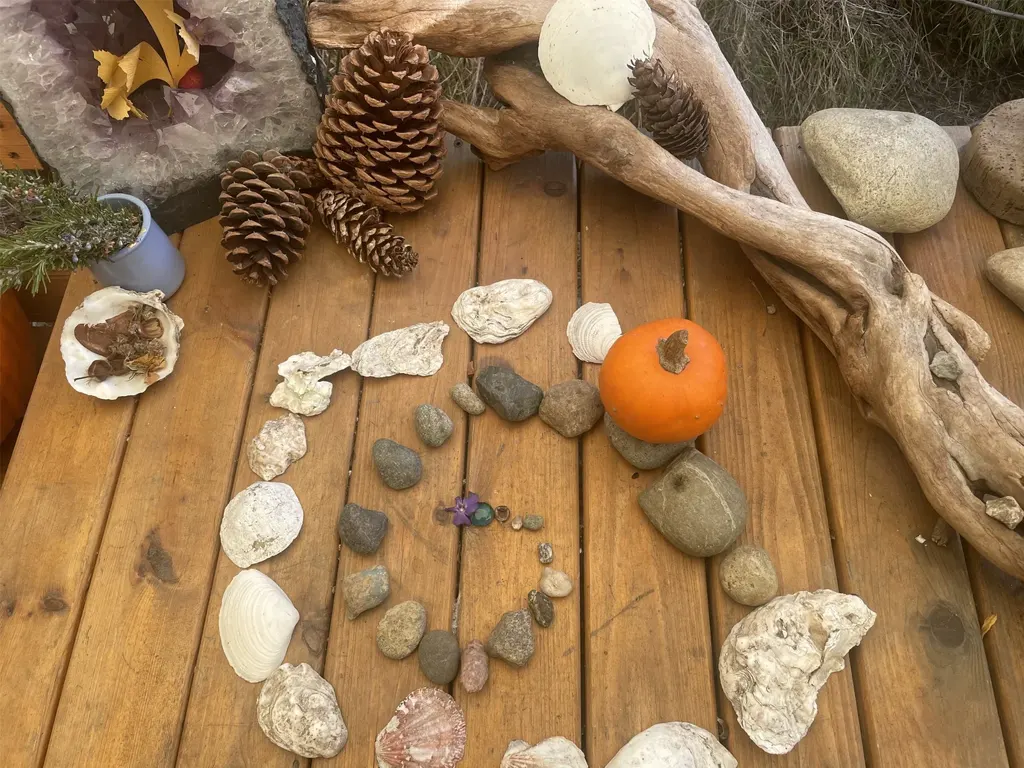
Many Waldorf classrooms also include a nature table or seasonal display. Teachers may place leaves, flowers, stones, pinecones, shells, handmade figures, or seasonal decorations in one area of the classroom. This helps children notice changes in nature and brings the outside world into the learning space.
Overall, a Waldorf classroom is designed to reduce visual noise and create a steady, peaceful environment. The goal is to give children enough beauty, order, warmth, and freedom so they can play deeply, move naturally, and use their imagination throughout the day.
Common Waldorf Classroom Materials and Furniture
Waldorf classrooms often use simple, natural, and open-ended materials. The goal is to create a space where children can touch real textures, move freely, build their own stories, and stay connected with daily life and nature. Materials and furniture are usually chosen for warmth, durability, safety, and how well they support imaginative play.
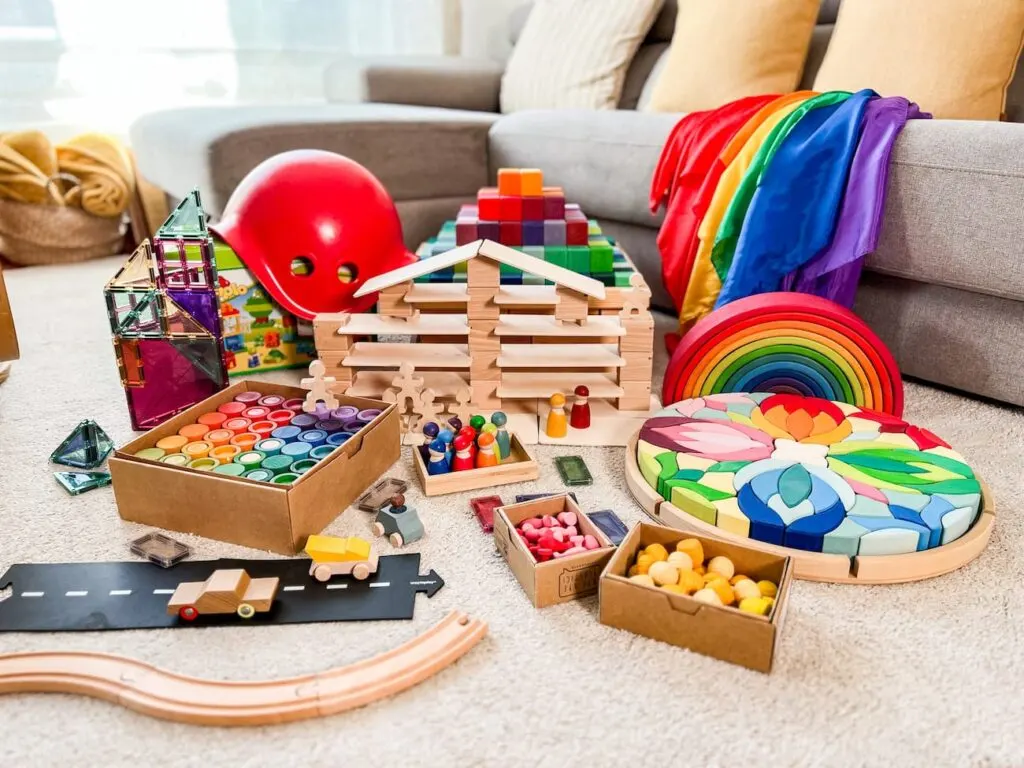
Open-Ended Wooden Toys
Wooden blocks, animal figures, dolls, play stands, loose parts, and simple pretend play items are common in Waldorf classrooms. These toys do not have one fixed use. Children can turn them into houses, roads, forests, shops, castles, or anything they imagine. This gives children space to create their own play instead of only following the toy’s design.
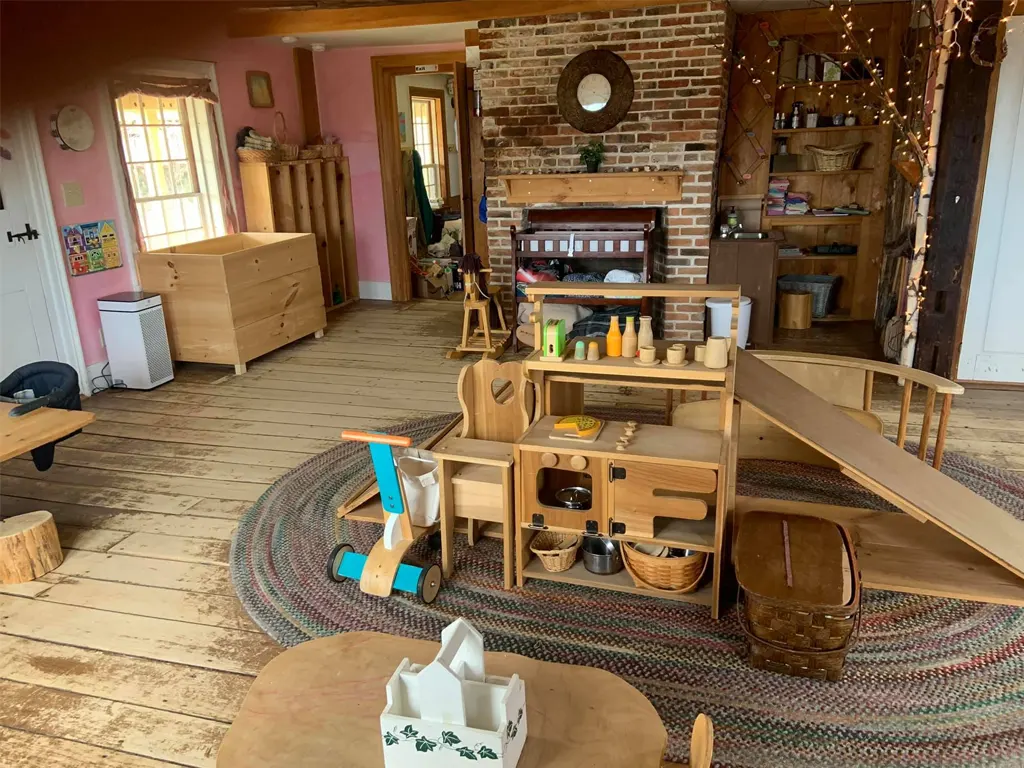
Natural Classroom Furniture
Wooden tables, chairs, shelves, benches, cubbies, and storage units help create the warm and calm feeling often seen in Waldorf classrooms. Child-sized furniture also makes the room easier for children to use by themselves. Low shelves, open storage, and stable seating support daily routines such as play, handwork, snack time, cleanup, and group activities.
Pretend Play Furniture
Pretend play furniture is very useful in Waldorf-inspired classrooms. Play kitchens, doll beds, market stands, wooden houses, small tables, and play corners give children a place to act out family life, care routines, cooking, shopping, building, and storytelling. These activities help children develop language, social confidence, imagination, and practical life skills.
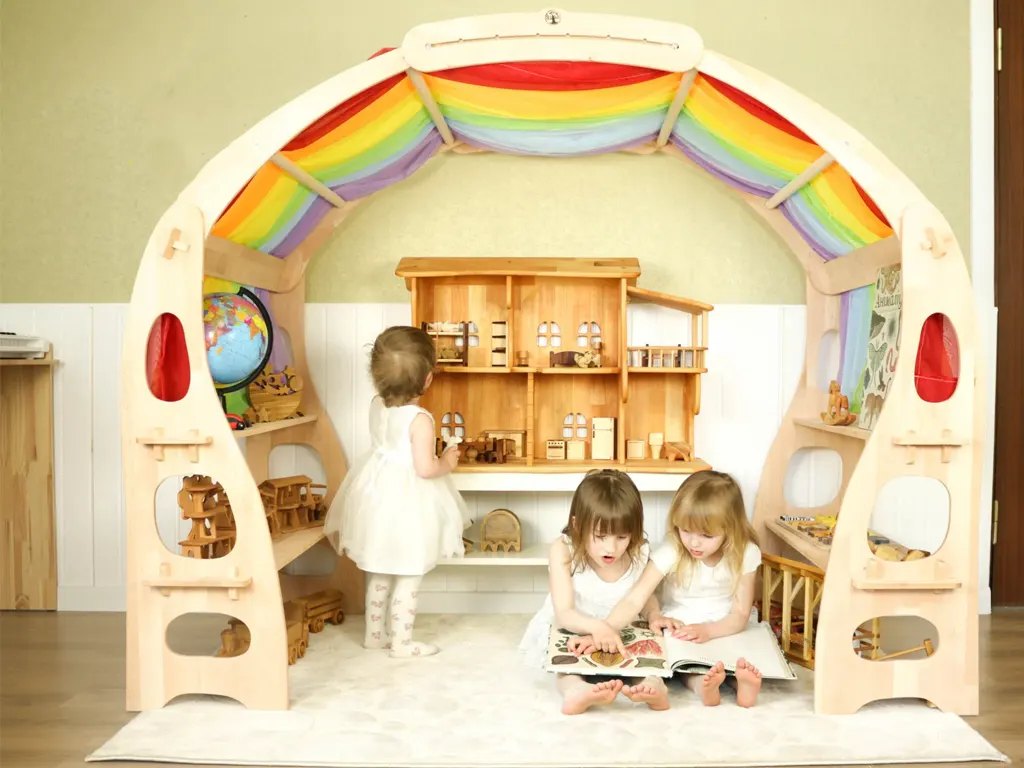
Baskets, Fabrics, and Natural Storage
Baskets, fabric pieces, wooden trays, and open storage containers are often used to organize classroom materials. They keep the space tidy while still making materials easy for children to see and reach. Fabric can also become part of children’s play. It may be used as a blanket, roof, river, costume, curtain, or background for a story scene.

Art and Handwork Materials
Watercolor paints, beeswax crayons, wool, felt, clay, yarn, wooden beads, paper, and simple craft tools are often used in Waldorf education. These materials support creative expression and fine motor development. They also give children time to work slowly, use their hands, and enjoy the process of making something.

Nature-Based Materials
Leaves, stones, pinecones, shells, branches, flowers, seeds, and seasonal objects are often brought into the classroom. These materials can be used for nature tables, storytelling, counting, sorting, sensory play, and seasonal activities. They help children notice the natural world through direct touch and observation.
Reading and Storytelling Areas
A Waldorf classroom often includes a quiet area for storytelling, picture books, puppet play, or small group time. A low bookshelf, soft rug, wooden bench, cushions, or a small reading corner can make this area feel calm and inviting. This space supports language development while giving children a slower part of the classroom day.
Waldorf Education vs Montessori vs Reggio Emilia
Waldorf, Montessori, and Reggio Emilia are all child-centered education approaches, but they do not work in the same way. They share some similar values, such as respect for children, hands-on learning, and a carefully prepared classroom environment. The main differences are found in how children use materials, how teachers guide learning, and what kind of classroom experience each approach creates.
| Area | Waldorf Education | Montessori Education | Reggio Emilia Approach |
|---|---|---|---|
| Main Focus | Imagination, rhythm, creativity, nature, and whole-child development | Independence, concentration, practical life skills, and self-directed learning | Project work, collaboration, expression, and child-led inquiry |
| Classroom Style | Warm, calm, home-like, natural, and simple | Ordered, structured, clean, and carefully prepared | Flexible, creative, open, and often inspired by children’s projects |
| Learning Materials | Natural, simple, and open-ended materials | Specific Montessori materials with clear learning purposes | Open-ended materials, art tools, loose parts, documentation, and project displays |
| Teacher Role | Guides through rhythm, storytelling, example, and daily routines | Observes, prepares the environment, and introduces materials individually | Co-learner, observer, listener, and project guide |
| Play Style | Pretend play and imagination are very important | Purposeful work and hands-on activities are central | Creative exploration and group projects are central |
| Academic Timing | Formal academics are often introduced more slowly in early childhood | Early academic concepts may be introduced through concrete materials | Academic learning develops through projects, questions, and real experiences |
| Classroom Furniture | Wooden furniture, baskets, fabric, play stands, natural storage, cozy corners | Child-sized tables, chairs, shelves, mats, practical life areas, learning material shelves | Flexible furniture, art areas, display walls, light tables, project tables, and open storage |
| Best Known For | Imagination, rhythm, nature, storytelling, and artistic activities | Independence, order, concentration, and hands-on learning materials | Creativity, collaboration, documentation, and project-based learning |
The easiest way to understand the difference is this: Waldorf education gives children a warm and imaginative world to grow in. Montessori gives children a prepared environment where they can build independence and concentration. Reggio Emilia gives children a creative space where their ideas, questions, and group projects shape the learning process.
For preschool and early learning spaces, the classroom environment matters in all three approaches. Waldorf classrooms often need natural wooden furniture and open-ended play materials. Montessori classrooms need low shelves, child-sized tables, chairs, and organized learning areas. Reggio Emilia classrooms need flexible furniture, art spaces, display areas, and materials that support exploration and project work.
Conclusion
Waldorf education gives children a slower and more meaningful way to learn. It values rhythm, imagination, nature, art and practical daily experience. The classroom is part of this learning process, because children are shaped by the space, materials and routines they use every day.
This is why the classroom environment matters. Natural materials, open-ended toys, simple storage and child-sized wooden furniture help create a space where children can play, move, create and feel secure.
West Shore Groups works with preschools, daycare centers and early learning projects to create practical classroom spaces with safe wooden furniture, storage solutions and custom layout support. For schools planning a Waldorf-inspired environment, the right furniture and classroom layout can make the idea easier to turn into a real daily learning space.

FAQs About Waldorf Education
Why does Waldorf education encourage time in nature?
Nature is an important part of Waldorf education because it gives children real sensory experiences. Outdoor play, gardening, seasonal walks, leaves, stones, flowers, water, soil, and wood help children observe the world directly. Time in nature also supports movement, curiosity, calm attention, and a stronger connection with the environment.
Why do Waldorf schools wait before formal academics?
Waldorf education believes that young children need a strong foundation before formal academic pressure becomes the main focus. In the early years, the focus is usually on language, movement, imagination, rhythm, social habits, and sensory experience. Reading, writing, and academic subjects are introduced more strongly when children are developmentally ready.
Is Waldorf education academically rigorous?
Yes, Waldorf education can be academically rigorous, but it often follows a different pace from traditional schools. In the early years, learning is gentler and more experience-based. As children grow, academic work becomes deeper through main lesson blocks, research, discussion, writing, art, science, literature, history, and practical projects.
Why do Waldorf teachers often stay with the same class for several years?
Many Waldorf schools value long-term teacher-student relationships. When a teacher stays with the same class for several years, they can better understand each child’s personality, strengths, challenges, and learning style. This continuity can create trust, stability, and a stronger classroom community.
Are Waldorf schools religious?
Waldorf schools are not usually taught as religious schools. The curriculum may include stories, festivals, myths, cultures, and seasonal celebrations from different traditions, but these are often used for cultural, artistic, and developmental reasons. Families should still ask each school how it approaches festivals, spirituality, and classroom traditions, because practices can vary.
Can Waldorf students transfer to traditional schools?
Many Waldorf students can transfer to traditional schools, but the adjustment depends on the child, grade level, and receiving school. Some students may need time to adapt to different testing styles, homework expectations, or classroom routines. However, Waldorf students often bring strengths in creativity, communication, hands-on problem solving, and independent thinking.
What is eurythmy in Waldorf education?
Eurythmy is a movement art often found in Waldorf schools. It combines movement, rhythm, music, and language. In education, it is used to help children develop body awareness, coordination, listening, concentration, and a deeper sense of rhythm.
Is Waldorf education suitable for every child?
Waldorf education can be a good fit for children who enjoy imagination, movement, nature, hands-on learning, stories, art, and a calmer classroom pace. However, every child is different. Parents should visit the school, observe the classroom, speak with teachers, and consider whether the school’s rhythm, academic pace, and teaching style match their child’s needs.