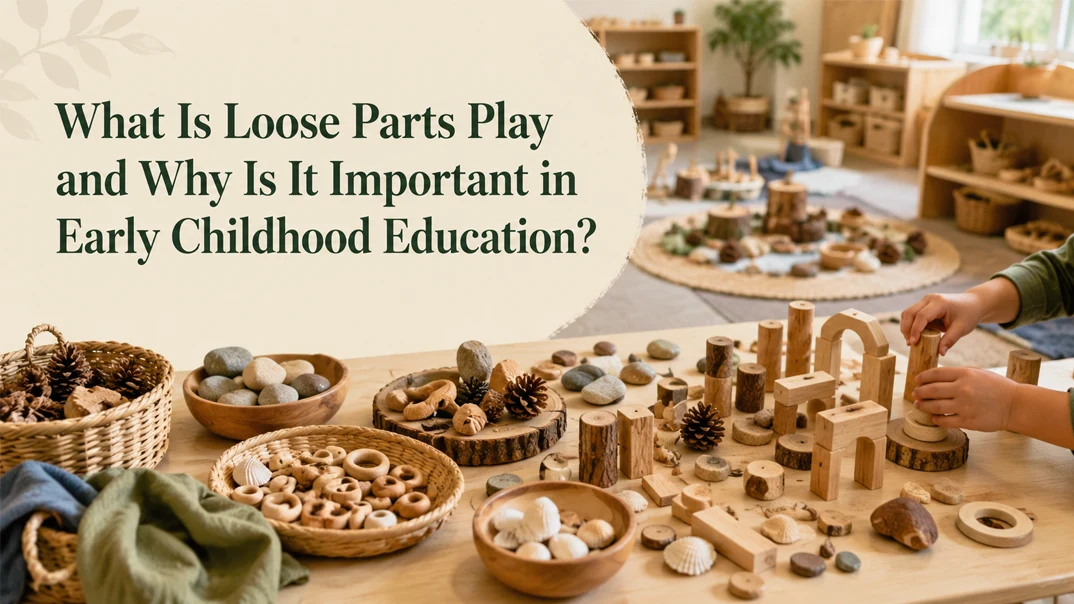
In many preschool classrooms, the most meaningful learning does not always come from complicated toys or fixed activities. Sometimes, simple open-ended materials can give children more freedom to think, create, communicate, and solve problems in their own way. This is why loose parts play has become an important approach in early childhood education.
What Is Loose Parts Play?
Loose parts play is a form of open-ended play in which children interact with a variety of flexible materials—items that can be moved, combined, arranged, taken apart, redesigned, and used in many different ways. The core idea of loose parts play is that these materials have no fixed or prescribed function. This flexibility gives children the freedom to decide how to use the materials, naturally stimulating their imagination while supporting decision-making, problem-solving, and hands-on exploration.
The Origin of Loose Parts Play
The origins of “loose parts” play can be traced back to an article published by Simon Nicholson in Landscape Architecture magazine in 1971, titled “The Theory of Loose Parts: How NOT to Cheat Children.” At the time, Nicholson observed that the designs of many playgrounds, schools, and urban spaces were often too rigid and static, leaving children with very limited opportunities to interact with, alter, or reshape their environments.
At the heart of his theory lies the concept of “variables.” Nicholson argued that the richer the environment—in terms of materials, textures, shapes, dynamics, sounds, and possibilities—the greater the opportunities for children to engage in creativity and exploration. Over time, this concept expanded from the fields of landscape and playground design into early childhood education; today, “loose parts” are widely used to support child-led exploration, creative thinking, and open-ended learning.
Key Characteristics of Loose Parts Play
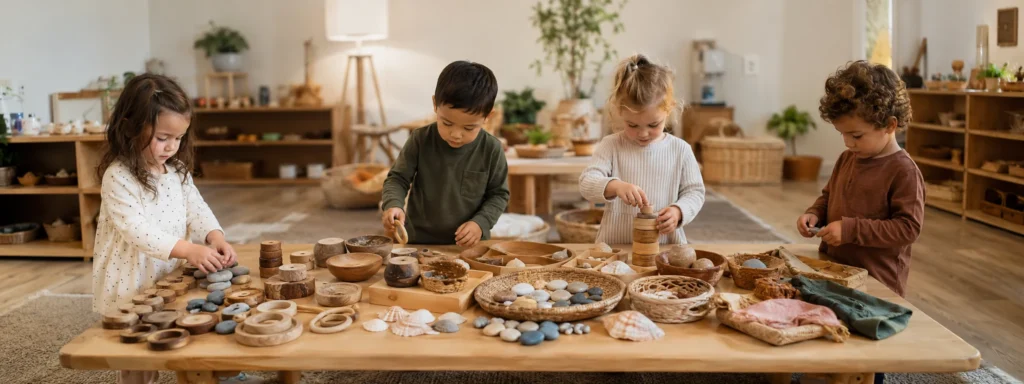
Loose parts play has several important characteristics that make it different from fixed toys or single-purpose classroom materials.
Open-ended use:
Loose parts can be used in many different ways. There is no single correct outcome, so children can create their own purpose for each material.
Child-led exploration:
Children decide how to use the materials, what to build, what story to create, and when to change direction. This gives them a stronger sense of ownership in their play.
Flexible and changeable materials:
Loose parts can be moved, sorted, stacked, lined up, connected, collected, transported, taken apart, and redesigned. This flexibility supports repeated experimentation.
Rich sensory experience:
Loose parts often include different textures, weights, colors, sounds, shapes, and natural qualities. These details help children explore the world through touch, sight, movement, and sound.
No fixed answer or finished model:
Unlike puzzles or guided craft activities, loose parts play does not require children to copy a final example. The value is in the process of thinking, testing, creating, and revising.
Suitable for individual and group play:
Children can use loose parts alone for quiet exploration, or with others for building, storytelling, role play, negotiation, and cooperative problem solving.
Easy to connect with classroom learning:
Loose parts can support early math, science, language, art, construction, sensory play, outdoor learning, and social-emotional development. This makes them a practical tool for many areas of the early childhood curriculum.
Types of Loose Parts
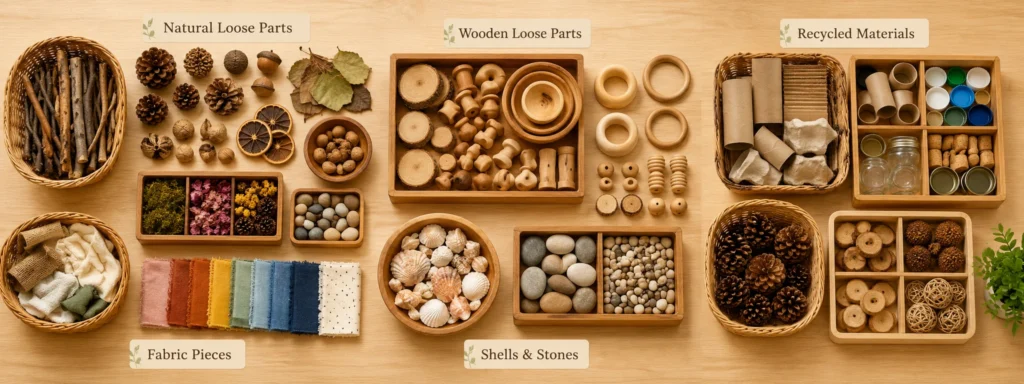
Loose parts can be grouped into different categories based on where they come from, how they feel, and how children use them in play. They may be natural, recycled, found, or purchased materials, but they all share one important feature: they are open-ended. Children can move, collect, sort, stack, combine, redesign, and reuse them in many different ways.
Natural Loose Parts
Natural loose parts come from the outdoor environment. These may include sticks, stones, leaves, pinecones, shells, seed pods, bark, flowers, sand, and water. They help children connect with nature while exploring texture, weight, shape, color, pattern, and seasonal changes.
Recycled and Everyday Loose Parts
Recycled and everyday loose parts are common items that can be reused for play. Examples include cardboard tubes, boxes, bottle caps, corks, lids, fabric scraps, ribbons, containers, and paper rolls. These materials are easy to collect and can support building, sorting, pretend play, art projects, and problem-solving activities.
Wooden Loose Parts
Wooden loose parts are popular in early childhood classrooms because they are durable, simple, and natural in appearance. Wooden rings, discs, balls, blocks, pebbles, trays, bowls, and sticks can be used for counting, stacking, pattern-making, small-world play, construction, and sensory exploration.
Flexible and Soft Loose Parts
Flexible loose parts include fabric pieces, scarves, felt, yarn, ropes, ribbons, and soft mats. Children may use them as costumes, blankets, roads, rivers, tents, backgrounds, or storytelling props. These materials are especially useful for dramatic play, movement, language development, and creative expression.
Reflective and Metal Loose Parts
Reflective and metal loose parts may include safe mirrors, metal bowls, spoons, tins, keys, springs, and other smooth metal objects. These materials attract children’s attention through light, sound, reflection, and texture. They can be used for sensory play, sound exploration, pretend play, and investigation activities.
Construction Loose Parts
Construction loose parts are materials that support building, balancing, connecting, and designing. Examples include tubes, connectors, ramps, planks, crates, reels, PVC pipes, wheels, and large blocks. These materials are useful for STEM learning because children can explore height, balance, movement, stability, and cause and effect.
Creative and Sensory Loose Parts
Creative and sensory loose parts include buttons, beads, pom-poms, shells, textured balls, clay, loose craft materials, paper pieces, and collage items. These materials give children opportunities to touch, compare, arrange, decorate, create patterns, and express ideas through hands-on play.
What Are the Benefits of Loose Parts Play?
Loose parts play gives children meaningful opportunities to think, create, test ideas, and learn through hands-on experience. Because the materials can be used in many ways, children are able to guide their own play, make choices, solve problems, and build confidence through repeated experimentation.
Encourages Unlimited Creativity
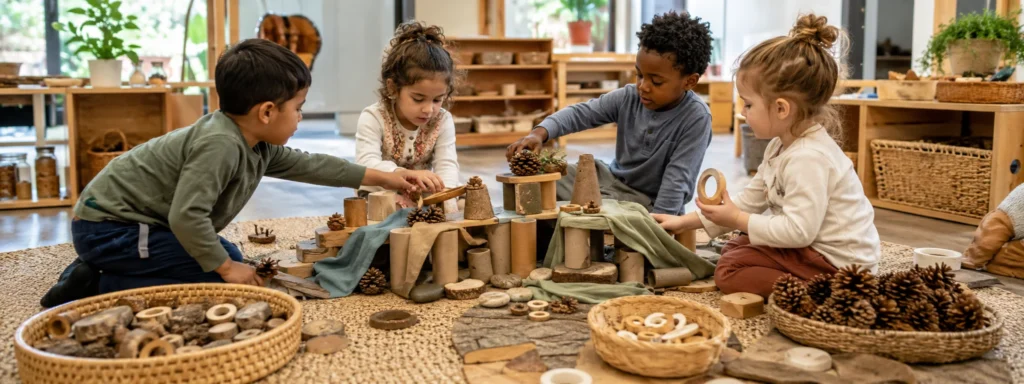
Loose parts have no fixed outcome, so children can use the same material in many different ways. A wooden block may become a phone, a bridge, a piece of food, or part of a tower. This freedom helps children use imagination, create their own stories, and express ideas without being limited by a single instruction or model.
Builds Problem-Solving Skills
During loose parts play, children often meet small challenges: a tower may fall, a bridge may need support, or two materials may fail to connect. These moments encourage children to try again, adjust their plans, compare different options, and find their own solutions. This process helps develop flexible thinking and early problem-solving skills.
Supports Spatial Awareness and Shape Understanding
Loose parts help children understand space, size, balance, shape, and position through direct experience. When children stack blocks, arrange stones, line up sticks, or build with tubes and ramps, they begin to notice how objects fit together, how structures stand, and how shapes can be combined in different ways.
Helps Children Learn Cooperation
Loose parts play often leads to shared ideas and group projects. Children may build together, share materials, negotiate roles, or decide how to continue a game. These experiences support cooperation, turn-taking, listening, compromise, and early teamwork in a natural play situation.
Builds Independence and Confidence
Because loose parts play allows children to make their own decisions, it gives them a strong sense of control over their learning. Children can choose materials, test ideas, change plans, and complete their own creations. Each successful attempt helps them feel capable, independent, and confident.
Provides Rich Sensory Experiences
Loose parts offer many textures, weights, shapes, sounds, colors, and temperatures. Children may feel the smoothness of wooden pieces, the rough surface of bark, the coolness of stones, or the softness of fabric. These sensory experiences help children observe details, compare materials, and stay engaged in hands-on learning.
Supports Physical Skills and Healthy Risk-Taking
Loose parts can support both fine motor and gross motor development. Small materials help children practice picking up, sorting, threading, placing, and arranging, while larger outdoor loose parts such as planks, crates, logs, and buckets encourage lifting, carrying, balancing, and building. With proper supervision, children can also learn how to assess risk and use materials safely.
Encourages Language and Communication
Loose parts play gives children many reasons to talk. They may describe what they are making, explain an idea, ask for help, negotiate with friends, or create stories around their materials. These conversations support vocabulary development, storytelling, listening, and expressive language.
Helps Children Connect with Nature
When natural loose parts are included, children become more aware of the world around them. Leaves, sticks, stones, flowers, shells, sand, and water help children notice seasonal changes, natural patterns, textures, and living environments. This connection can support curiosity, care for nature, and outdoor learning.
How to Introduce Loose Parts Play in the Classroom
Introducing loose parts play does not need to be complicated. The main purpose is to give children more opportunities to think, explore, experiment, and develop their own play ideas. Teachers can start by adding a small selection of loose parts to familiar play areas, such as the block area, clay area, sensory table, art corner, or outdoor learning space. When loose parts are placed near activities children already enjoy, they are more likely to feel curious and begin using the materials naturally.
Start with One Type of Loose Part at a Time
It is better to introduce loose parts gradually instead of offering too many materials at once. Teachers can begin with durable, larger pieces such as wooden discs, wooden sticks, large blocks, fabric pieces, or cardboard tubes. Once children understand how to handle these materials safely, smaller or more delicate items can be introduced, such as glass stones, buttons, shells, beads, or natural collections. The choice of materials should always depend on children’s age, independence, and classroom safety needs. Any loose part that may create a choking risk or safety concern should be carefully assessed before use.
Set Clear Rules for Use and Cleanup
Before children begin using loose parts, teachers should discuss and model simple rules for handling, sharing, and cleaning up the materials. Children need to know where the materials can be used, how to carry them safely, how to return them after play, and which materials need extra care. These routines help loose parts play remain creative while still being manageable in a busy classroom.
Display Materials in an Attractive and Organized Way
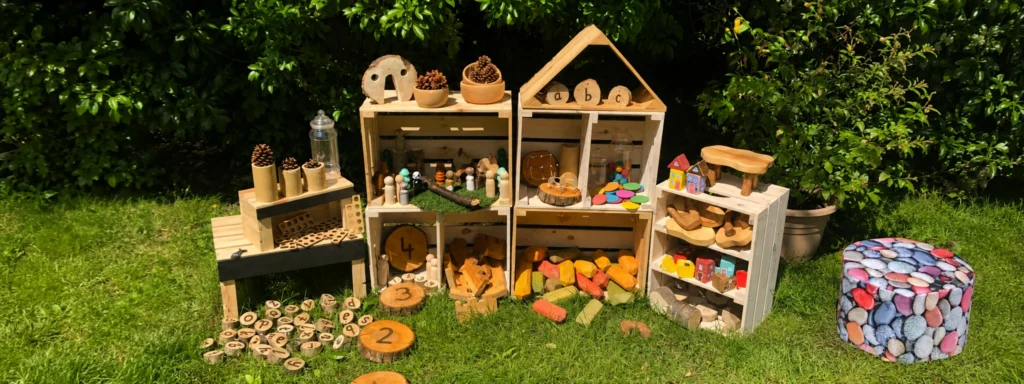
The way loose parts are presented can influence how children use them. Instead of placing everything in one large container, teachers can use divided trays, small baskets, bowls, wooden boxes, or open shelves. When materials are displayed clearly and beautifully, children are more likely to notice them, value them, and use them with care. Good presentation also helps children choose materials independently and return them easily after play.
Organize Loose Parts by Theme or Property
Loose parts can be sorted and displayed by color, texture, size, sound, material, or classroom theme. For example, teachers may create a nature collection with seed pods, feathers, stones, and leaves, or a science collection with floating and sinking objects. Materials can also be connected to children’s current interests, such as ocean life, construction, insects, seasons, or storytelling. This makes the materials feel more meaningful and easier for children to explore.
Connect Loose Parts with Learning Goals
Loose parts play should remain open-ended, but teachers can still connect it with classroom learning. During introduction or reflection time, teachers can show children how the materials may be used for counting, sorting, pattern-making, storytelling, building, comparing, or investigating. This helps children revisit current learning goals through hands-on exploration instead of worksheet-based practice.
Encourage Children to Collect Loose Parts
Children can also help build the classroom loose parts collection. They may collect leaves, seed pods, feathers, shells, smooth stones, or other safe natural materials from the playground, garden, or family outings. When children contribute materials, they often feel a stronger sense of ownership and belonging. It also helps them notice the value of everyday objects and become more involved in caring for shared classroom resources.
Keep Materials Easy to Store and Reuse
Loose parts should be easy for children and teachers to manage. Materials that are attractive, clearly organized, and simple to clean up will be used more often and more effectively. Teachers can rotate materials over time to maintain interest and avoid clutter. With a thoughtful setup, loose parts can become a flexible classroom resource that supports problem-solving, communication, creativity, and open-ended exploration every day.
Supporting Loose Parts Play with the Right Learning Materials
Loose parts play supports children’s development through the whole process of choosing, testing, building, changing, communicating, and reflecting. While the activity may look simple from the outside, children are often using many skills at the same time. They may be comparing sizes, planning a structure, negotiating with friends, describing their ideas, controlling their movements, or deciding how to solve a problem.
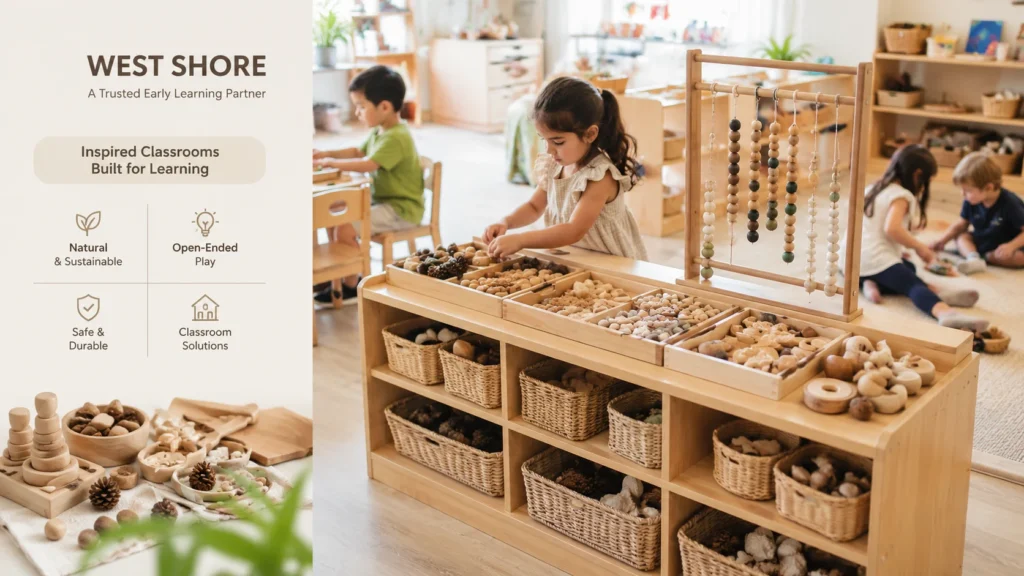
To make loose parts play more meaningful in preschool classrooms, teachers need materials that are safe, flexible, durable, and easy for children to use independently. West Shore provides a wide range of learning materials suitable for preschool children, including wooden loose parts, sensory play materials, construction toys, sorting and counting resources, open-ended blocks, classroom trays, baskets, and outdoor learning products. These materials help schools create richer play environments where children can build creativity, confidence, cooperation, and early learning skills through everyday hands-on play.
Frequently Asked Questions About Loose Parts Play
How Much Time Should Children Spend in Free Play?
There is no fixed time that works for every child or every classroom. In early childhood settings, children usually benefit from regular periods of uninterrupted play, because loose parts play often takes time to develop. A short activity may allow children to become familiar with the materials, while a longer play period gives them more space to plan, build, test ideas, cooperate with others, and extend their thinking.
What If a Child Shows Little Interest at First?
Some children need time to understand how open-ended materials work, especially if they are used to toys with clear instructions or fixed outcomes. Teachers can begin with familiar materials, place them in an inviting way, and observe what naturally attracts the child. It can also help to add loose parts near an area the child already enjoys, such as blocks, pretend play, art, or outdoor activities.
Can Loose Parts Play Be Done Indoors and Outdoors?
Yes. Loose parts play can happen in both indoor and outdoor environments. Indoor loose parts are often smaller and easier to organize, such as wooden pieces, fabric, buttons, shells, trays, and recycled materials. Outdoor loose parts can be larger and more physical, such as logs, planks, crates, stones, buckets, sand, water, and natural materials. The key is to choose materials that fit the space, age group, and safety requirements.
How Do I Know When to Intervene in Children’s Play?
Teachers should usually observe first before stepping in. Intervention may be needed when there is a safety concern, when materials are being used in a harmful way, or when children need help solving a conflict. If children are focused, communicating, testing ideas, and managing the play safely, adults can support by watching, documenting, and asking thoughtful questions instead of taking control.
What If Children Disagree During Loose Parts Play?
Disagreements can happen when children share materials, build together, or have different ideas. These moments can become valuable social learning experiences. Teachers can guide children to express their ideas, listen to each other, take turns, divide materials, or create a shared plan. The goal is to help children solve the problem while still respecting their own thinking and creativity.
Can Loose Parts Play Help Children Get Ready for School?
Yes. Loose parts play can support many skills connected with school readiness. Children practice problem-solving, communication, focus, independence, cooperation, early math, spatial thinking, fine motor control, and self-regulation. Because these skills develop through active play, loose parts can help children become more confident, curious, and prepared for structured learning experiences.