
Material Selection for Preschool Furniture Projects
We help childcare centers, distributors, and project buyers select the right wood, board, plastic, metal, and surface finishes based on product use, safety requirements, cleaning needs, budget, and target market.
- Safe materials for child-use environments
- Options for indoor and outdoor furniture
- Material recommendations by product type
- Custom colors, finishes, and board options
- Support for testing documents and project files
Material Options We Commonly Use
We offer a variety of high-quality, market-proven material options to suit different budgets, usage scenarios and design styles. Below are the core material types we most often configure for our customers.
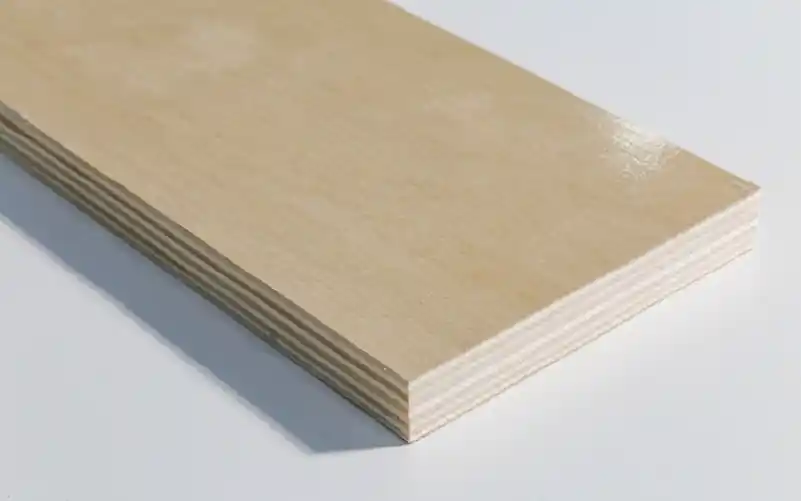
Birch Plywood
Constructed from multiple layers of selected birch veneers bonded in a cross-grain pattern, resulting in a smooth surface and structural stability.
- Resistant to warping and cracking
- Free from prominent dark streaks or blemishes
- Meets E0 environmental standards
- Available in 15mm and 18mm thicknesses
Maple-Colored Furniture
The surface is specially finished, while the substrate is birch plywood or MDF; it does not refer to solid maple wood.
- Warm and modern color tone
- Consistent color and texture
- Easy to coordinate
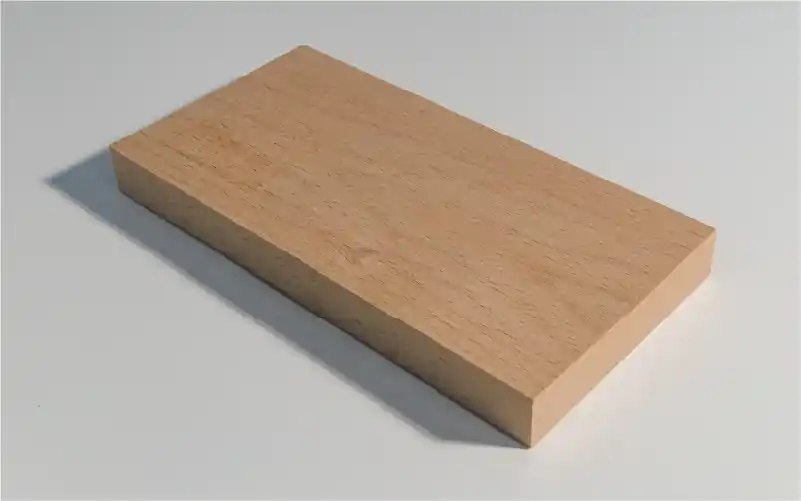
Beech Wood
Crafted from a single solid piece of natural beech wood; no laminated layers.
- Hard wood with excellent impact resistance
- Straight, fine grain
- High price point
- Extremely long service life

Beech Plywood
Constructed by cross-bonding and pressing multiple layers of beech veneers, with a premium beech veneer finish on the surface.
- Excellent structural strength
- Premium visual and tactile appeal
- Surface quality comparable to solid beech wood
Solid Maple Wood
Maple is a premier hardwood; its lignin and cellulose are tightly bonded, and it features a fine-pored structure. It contains no artificial adhesives or pressed layers.
- Premium wood; high cost
- Warm material color
- Fine grain texture
- Wear-resistant and durable; resistant to scratches

Rubberwood
Sourced from rubber trees that have ceased latex production; it is an economical and eco-friendly reclaimed wood product.
- Resistant to cracking and warping
- Uniform grain
- Easy to finish and stain

Pine Wood
The wood has a high resin (rosin) content and is lightweight and low in hardness, making it easy to cut, nail, and work with.
- Soft texture
- Bold, natural grain with a light color
- Distinctive, fresh pine scent
- Low material cost

Anti-Corrosion Pine
The pine undergoes a specialized vacuum-pressure treatment with preservatives, resulting in exceptional weather resistance.
- Resistant to sun and rain
- Compatible with outdoor protective coatings
- Resistant to rot and insect damage

MDF
Made from wood fibers and adhesives under high temperature and pressure; features an exceptionally smooth surface.
- Excellent surface smoothness
- Easy to shape and machine
- Relatively weak screw-holding capacity; not water-resistant.
Particleboard / Chipboard
Made by pressing together wood particles and adhesive, this is a very low-cost, basic engineered wood product, typically finished with a melamine veneer.
- Very low cost
- Flat surface but prone to swelling
- Poor screw-holding capacity; requires edge banding
PE Board / Polyethylene Board
A high-performance engineering plastic sheet made from polyethylene resin. As a thermoplastic, it offers exceptional chemical stability.
- 100% waterproof and moisture-proof
- Available in a wide range of colors
- Safe and non-toxic
- Smooth, seamless surface
Melamine Laminated Board
Melamine resin-impregnated paper featuring decorative patterns is hot-pressed onto the surface of the engineered wood board, forming a hard, transparent protective layer.
- High surface hardness and scratch resistance
- Wide range of surface options
- No additional painting required
- Easy daily cleaning
Metal
Primarily utilizes high-quality carbon steel or high-strength aluminum alloy; surfaces undergo pre-treatments such as rust removal and phosphating.
- Resistant to bending and deformation
- Suitable for height-adjustable structures
- Excellent weather resistance and hygiene
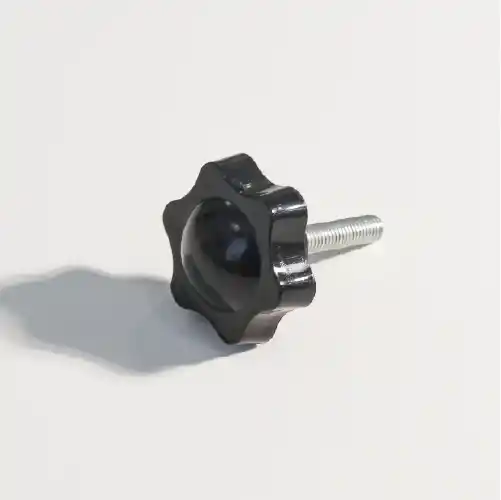
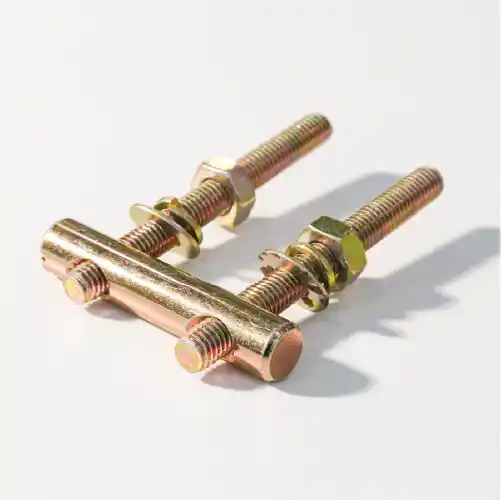
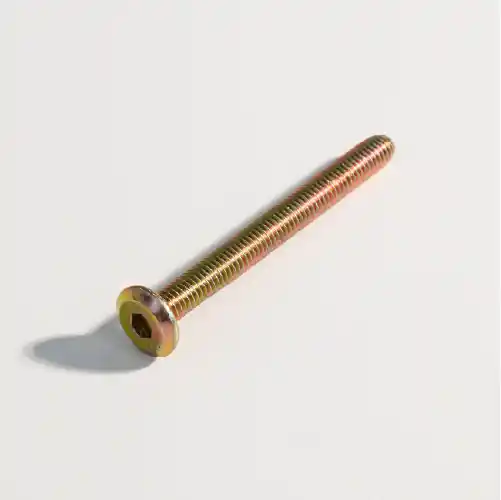
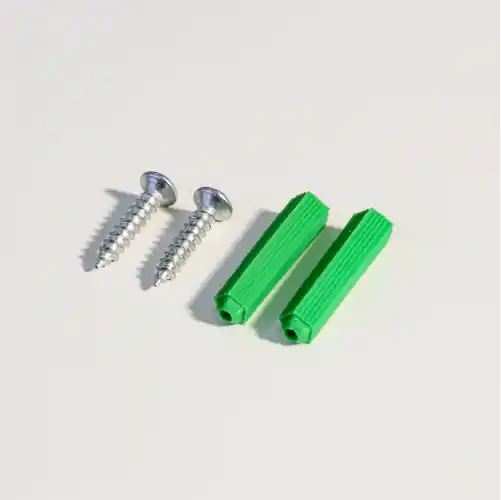
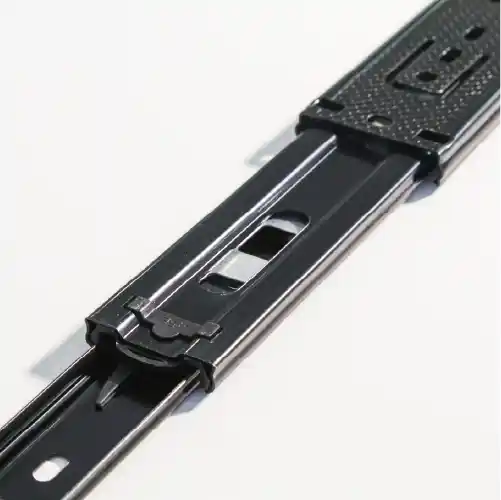
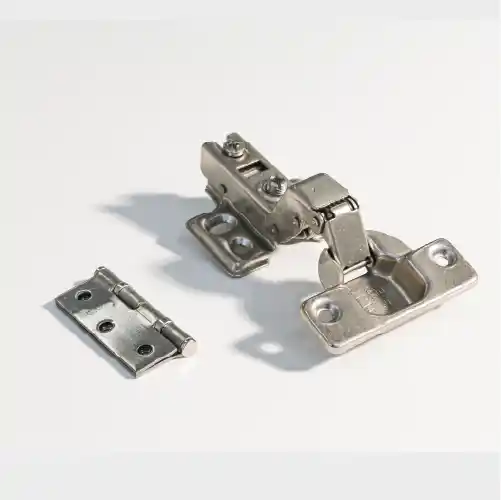
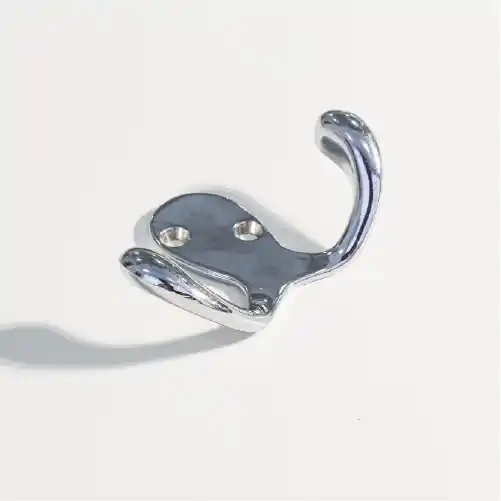
Accessories and connectors
Beyond the core timber and panel materials, hardware and connectors are equally critical in determining the product's ultimate safety and durability. We offer a comprehensive range of high-quality furniture hardware and connectors, with customization options available to meet your specific market needs.

How We Help You Choose the Right Material
We recommend suitable materials based on product type, age group, usage environment, cleaning frequency, target market, and budget. Rather than offering the same options to every client, we compare the practical differences between materials to ensure each project strikes the right balance among safety, durability, aesthetics, and cost.
Understand Your Project
We begin by evaluating your project positioning, which serves as the foundation for all material selection.
Analyze Usage Scenarios
The physical environment in which the furniture will be used directly dictates the required physical properties of the materials.
Professional Recommendations
We do not leave clients to make choices blindly; instead, we provide clear recommendations based on our experience and transparently outline the pros and cons of different materials.
Visual and Tactile Confirmation
Since material sheen and color can appear distorted on screens, we employ various methods to facilitate visual confirmation for our clients.
Matching Craftsmanship and Custom Details
Once the base material is selected, we align surface finishes and hardware components with the client's specific design requirements.
Final Confirmation and Flexible Adjustments
We maintain a flexible approach to adjustments right up until the plan is finalized, ensuring 100% client satisfaction.
Material Selection by Product Type
To help you make efficient decisions, we have prepared the following material selection reference table based on our years of experience serving global educational projects.
| Product Type | Primary Recommended Material | Optional / Alternative Material | Recommendation Reason & Key Considerations |
|---|---|---|---|
| Regular Indoor Furniture(Tables, chairs, shelves, bookshelves) | Birch Plywood(E0 Grade, 15mm / 18mm) | MDF(Suitable for products requiring colored spray-painted finishes) | Industry-standard choice: It offers the best balance between durability and cost efficiency. The structure is stable and not easy to deform. The surface is smooth and clean, and the weight is lighter than solid wood, making it suitable for children’s furniture. |
| Infant & Sleeping Area(Cribs, nap beds) | Beech Wood | RubberwoodBirch Plywood | Maximum safety and durability: Beech wood has a dense and firm texture with strong impact resistance, providing a more stable and safer structure for infants. Its natural texture is refined and warm. |
| High-End Montessori Furniture(Teaching racks, sensory teaching aids) | Solid Maple WoodBeech Plywood | Beech Wood | Classic Montessori choice: Maple wood has a light, warm color tone and a hard, dense texture. It is suitable for high-quality teaching aids. If solid wood cost is too high, beech plywood provides a premium visual effect and strong structural performance. |
| Outdoor Furniture & Play Facilities(Outdoor tables and chairs, play racks) | Anti-Corrosion Pine | Metal(Metal frame for texture and structure) | Weather-resistant foundation: Anti-corrosion pine is treated with pressure preservation, making it suitable for long-term outdoor use and resistant to insects and decay. When paired with outdoor protective coating and regular maintenance, it can be used for at least 10 years. |
Material Options for Different Budgets
Matching your budget does not mean lowering quality. It means helping you find the best combination of compliant materials and manufacturing processes within your budget.Select 75 more words to run Humanizer.

High-End Budget
If your project targets the high-end market and prioritizes material quality, durability, and a natural, premium aesthetic, we recommend the following material combinations:
Core Materials: Solid Maple or Solid Beech
Suitable Products: Cribs, high-end Montessori educational materials, specialty tables and chairs, climbing frames.
Standard / Most Popular Budget
This is the preferred budget range for the vast majority of daycare centers worldwide.
Core Material: E0-grade birch plywood (standard thicknesses: 15mm/18mm)
Applicable Products: A full range of indoor furniture, including tables and chairs, storage cabinets, bookshelves, mobile units, etc.
Cost-Effective Budget
If your project budget is tight, you can significantly reduce costs by switching base materials while still ensuring basic safety and aesthetic appeal.
Core Materials: Melamine Laminated Board or MDF (Medium-Density Fiberboard)
Suitable Applications: Simple furniture, non-load-bearing partitions, spray-painted stylized furniture, and internal structural components.
Materials Built for Child-Use Environments
In material selection, we always follow one core principle: “Our first priority is to provide safe and eco-friendly materials, because these furniture and toys are designed for children.”
Safe Materials for Child-Use Environments
We select materials with children’s daily use in mind, focusing on smooth surfaces, rounded edges, stable structures, and child-friendly finishes.
- Smooth touch surfaces
- Rounded edge treatment
- Stable furniture structure
- Child-safe surface finish
- Suitable for preschool use
Durable Materials for Daily Classroom Use
Preschool furniture is used, moved, cleaned, and touched every day. We choose materials that can handle active classrooms and long-term use.
- Strong panel structure
- Suitable material thickness
- Reinforced load-bearing parts
- Resistant to daily wear
- Built for repeated classroom use
Easy-Clean Surfaces and Simple Maintenance
For tables, shelves, art furniture, and outdoor products, we recommend materials and finishes that support regular cleaning and daily maintenance.
- Easy-to-wipe surfaces
- Sealed edges where needed
- Better stain resistance
- Suitable for art and meal areas
- Lower daily maintenance pressure
Material Options for Different Budgets
Unsure which material is right for your project? Send us your product type, target market, and use environment. Our team can recommend suitable materials before quotation.
- Product type or reference photos
- Indoor or outdoor use
- Target age group
- Target market
- Preferred color or finish
- Budget level
- Required certificates or documents

FAQs
Birch plywood, solid wood, laminate, HPL, HDPE, and metal parts are commonly used.
Yes. Birch plywood is stable, strong, and suitable for shelves, tables, chairs, cabinets, and many classroom furniture products.
HPL, laminate, sealed plywood, and HDPE are easier to clean, especially for activity tables, dining areas, art furniture, and outdoor products.
HDPE, treated wood, and powder-coated metal are commonly used for outdoor preschool furniture.
Yes. We support custom board materials, thickness, surface finishes, paint colors, laminate colors, plastic colors, and metal frame colors.
Yes. Material samples, color samples, and finish samples can be discussed before production.
Yes. We can recommend material options based on your target country, product use, budget, and document requirements.
Yes. Material weight, product structure, and packing method can affect carton size, shipping cost, and damage protection.